Top 10 Best ASME Pressure Vessel Designs You Should Know?
In the dynamic world of industrial engineering, ASME pressure vessels play a crucial role. Experts in the field emphasize their importance for safety and efficiency. Dr. Emily Hart, a renowned mechanical engineer, states, “The design of an ASME pressure vessel is vital for maintaining performance under pressure.” These vessels are fundamental in various industries, from oil and gas to chemical manufacturing.
ASME pressure vessel designs must adhere to stringent standards to ensure reliability. A well-executed design can prevent catastrophic failures. However, many professionals overlook the nuances involved in the design process. The consequences of these oversights can be dire. Each design choice impacts safety and functionality, requiring meticulous attention to detail.
Understanding the top 10 best ASME pressure vessel designs is essential for engineers and manufacturers. This knowledge not only enhances safety but also optimizes performance in demanding environments. It is a complex area that demands constant learning and adaptation. Professionals must be cautious, as even minor deviations can lead to significant failures. The journey of mastering ASME pressure vessel designs is ongoing, filled with learning opportunities and challenges.
Overview of ASME Pressure Vessel Design Standards
The American Society of Mechanical Engineers (ASME) sets critical standards for pressure vessel design. Understanding these standards is essential for safety and compliance in various industries. ASME BPVC Section VIII details design, materials, fabrication, and examination of pressure vessels. Adhering to these guidelines can reduce risks associated with pressure containment.
In 2022, data showed that over 60% of industrial incidents were linked to poorly designed pressure vessels. Utilizing ASME standards can mitigate such risks. For instance, the use of high-quality materials and rigorous inspection protocols helps ensure integrity under pressure. The importance of design reviews cannot be overstated. Laboratories should conduct stress analyses and fatigue testing to validate designs before implementation.
Pressure vessels must withstand extreme conditions. The design process must consider factors like temperature fluctuations and corrosion. The challenges in meeting these standards include balancing cost and safety. Engineers should continuously refine designs based on real-world performance data. A critical review of existing vessels may reveal design flaws that can be addressed in future iterations.
Key Features of Effective ASME Pressure Vessel Designs
ASME pressure vessel designs hold significant importance in various industries. Effective designs ensure safety and efficiency. One key feature is material selection. Choosing the right materials can prevent failures and enhance durability. For example, stainless steel is often used for its corrosion resistance. However, it can be costly and may not suit all applications.
Another important aspect is pressure rating. Each vessel must withstand specific pressures based on its application. Understanding these ratings is crucial. Poorly designed pressure vessels can lead to catastrophic failures. Regular inspections are essential, but relying solely on them is not enough. Design improvements are an ongoing process.
Integrating safety features is vital in effective designs. Safety valves and pressure relief systems must be included to prevent over-pressurization. These additions can complicate the design, but they save lives. Engineers face challenges when balancing safety and cost. They must prioritize safety without compromising efficiency. Constantly reviewing and improving designs can lead to better outcomes.
Top ASME Pressure Vessel Designs for Industrial Applications
When it comes to industrial applications, ASME pressure vessels play a critical role. Their designs must adhere strictly to safety standards and efficiency. According to the American Society of Mechanical Engineers, about 30% of industrial accidents are related to pressure vessels. Understanding the best designs can help mitigate these risks effectively.
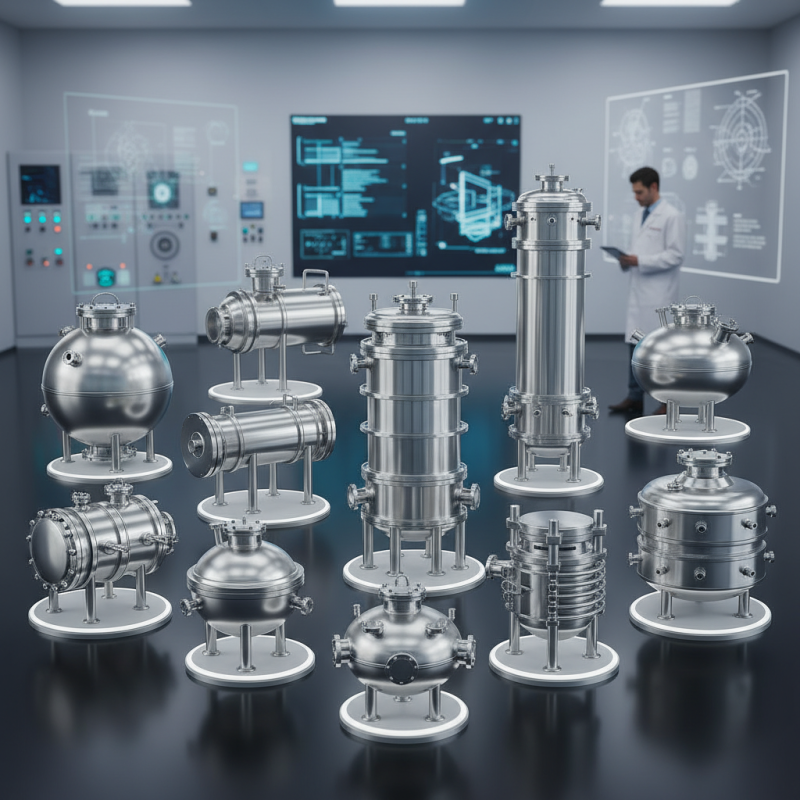
One of the top designs is the cylindrical shape. It optimizes strength and is widely used in chemical processing. Data from industry surveys show that cylindrical vessels account for nearly 50% of all pressure vessels in use. Another excellent design is the spherical vessel, known for its ability to withstand high pressures. These vessels can reduce material costs due to their efficient use of space.
Tip: Always consider the material selection carefully. The choice of material affects not only longevity but also safety. Alone, a poorly chosen material could compromise vessel integrity. Regular inspections are essential too. Even the best designs need monitoring for wear and pressure fluctuations.
When evaluating pressure vessel designs, it’s essential to be aware of common flaws. For example, improper coatings can lead to corrosion. This can drastically shorten the vessel's lifespan. Emphasizing quality control during the manufacturing process is vital for longevity and safety.
Innovative Materials Used in ASME Pressure Vessel Construction
Innovative materials play a crucial role in ASME pressure vessel construction. Engineers are increasingly incorporating advanced composites, stainless steels, and high-strength alloys. These materials enhance durability and reduce weight. For example, a recent industry report states that composite materials can lower vessel weight by up to 30%. This weight reduction leads to efficiency gains in transportation and installation processes.
Stainless steel, known for its corrosion resistance, is another key material. Industrial applications often require vessels to withstand harsh environments. High-strength alloys provide necessary tensile strength and toughness. The American Society of Mechanical Engineers reported that using these materials can improve service life by 50%. However, challenges remain. The cost of advanced materials can be prohibitive, and knowledge gaps persist in selecting the right material for specific applications.
In addition, the integration of modern manufacturing techniques is changing how pressure vessels are designed and constructed. Techniques like additive manufacturing are gaining traction. They allow for intricate designs that were once impossible. Nonetheless, the complexity can introduce new risks. Understanding these innovations is essential for professionals in the field. More research is needed to fully explore their long-term impacts on performance and safety.
Future Trends in ASME Pressure Vessel Design and Technology
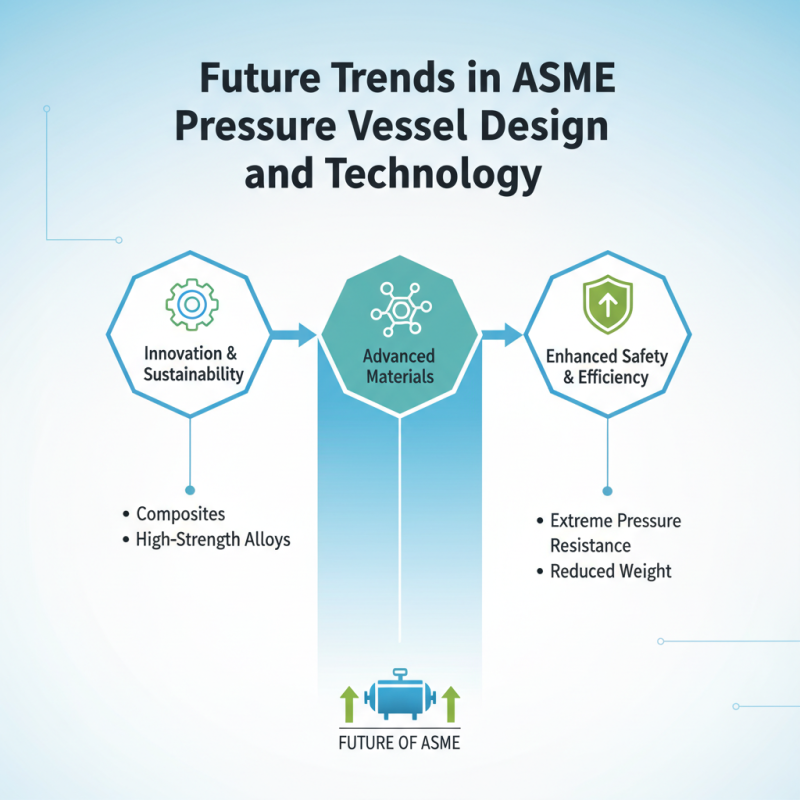
The future of ASME pressure vessel design focuses on innovation and sustainability. Engineers are exploring advanced materials to enhance safety and efficiency. Composites and high-strength alloys are now common. These materials can withstand extreme pressures and reduce overall weight.
Digital technology is revolutionizing the design process. Enhanced simulation tools allow for more efficient testing. Virtual reality enables engineers to visualize their designs in 3D, improving accuracy. Predictive maintenance is also gaining traction. It uses data analytics to foresee potential failures, enhancing reliability.
However, some challenges remain. The industry faces a skills gap due to rapid technological change. Many professionals struggle to keep up with new standards. Furthermore, balancing cost with innovation is often difficult. As trends evolve, finding the right blend of technology and cost-effectiveness requires ongoing reflection and adaptation.