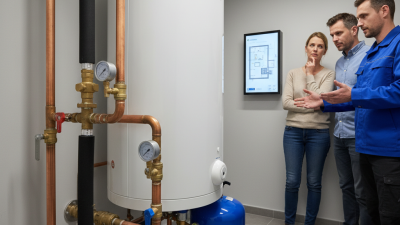
What is a Fuel Tank and How Does It Work?
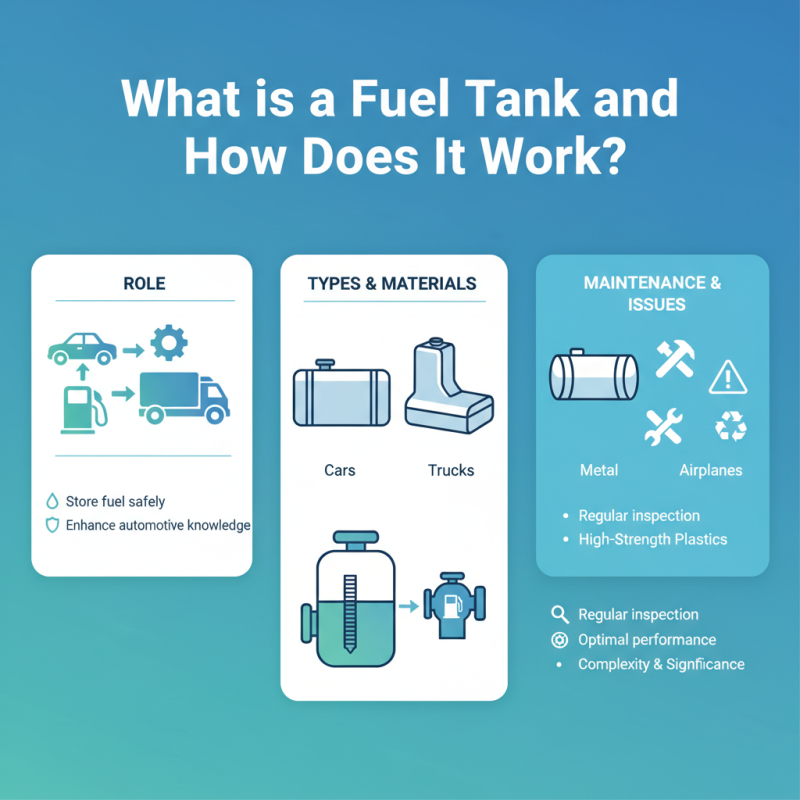
Fuel tanks play a crucial role in various vehicles and machinery. They store fuel safely and efficiently. Understanding how fuel tanks work can enhance our knowledge of automotive systems.
Fuel tanks come in various shapes and sizes. They are typically made from metal or high-strength plastics. Common types include those found in cars, trucks, and airplanes. Each type serves specific purposes and requirements, ensuring safe fuel storage.
Despite their importance, not all fuel tanks are perfect. Some designs can lead to leaks or damage. Regular inspection and maintenance are vital for optimal performance. By exploring fuel tanks, we can appreciate their complexity and significance in everyday life. Understanding these components helps us recognize their value and potential issues.
Definition and Purpose of a Fuel Tank
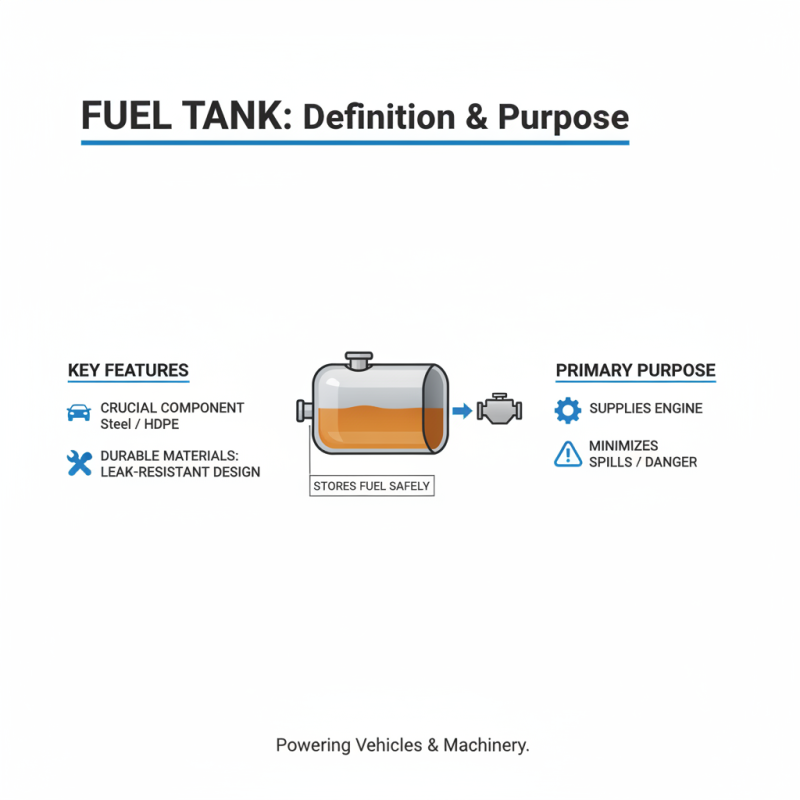
A fuel tank is a crucial component in various types of vehicles and machinery. Its primary purpose is to store fuel safely and supply it to the engine when needed. Typically, fuel tanks are constructed from durable materials like steel or high-density polyethylene to withstand different environmental conditions. The design is engineered to minimize the risk of leaks or spills, which can be dangerous.
According to recent industry reports, the global fuel tank market is expected to grow at a CAGR of 5.2% from 2022 to 2028. This trend highlights the increasing demand for more efficient and reliable fuel storage solutions. Fuel tanks must be designed not only to hold fuel but also to accommodate changes in fuel volume due to temperature variations. Failure to manage this could lead to excess pressure, which in turn may cause tank failure.
Fuel tanks serve multiple functions. Apart from storing fuel, they also filter contaminants to deliver clean fuel to the engine. Some tanks are equipped with safety features, like pressure release valves, to prevent explosions. However, challenges persist. Maintenance is often overlooked, leading to degradation and potential hazards. Regular checks and adherence to safety guidelines are essential for preventing accidents and ensuring the longevity of fuel tanks.
Components of a Fuel Tank and Their Functions
A fuel tank is essential for storing fuel in vehicles. Several components work together to ensure it functions properly. The tank itself is typically made of metal or plastic, providing durability and preventing leaks.
The fuel pump is crucial. It draws fuel from the tank and sends it to the engine. Without a functional pump, fuel won't reach the engine properly. The fuel gauge provides information about the fuel level, allowing drivers to know when refueling is necessary.
The fuel filter is another key component. It removes dirt and impurities from the fuel. Keeping the fuel clean helps maintain engine efficiency. Over time, fuel filters can become clogged, resulting in performance issues. Regular maintenance can improve the lifespan of these parts.
Tips: Always check the fuel gauge before long trips. Be mindful of unusual engine sounds; they might indicate fuel delivery issues. Regular inspections can prevent costly repairs down the road. A little proactive care goes a long way.
How Fuel Tanks Work Within an Engine System
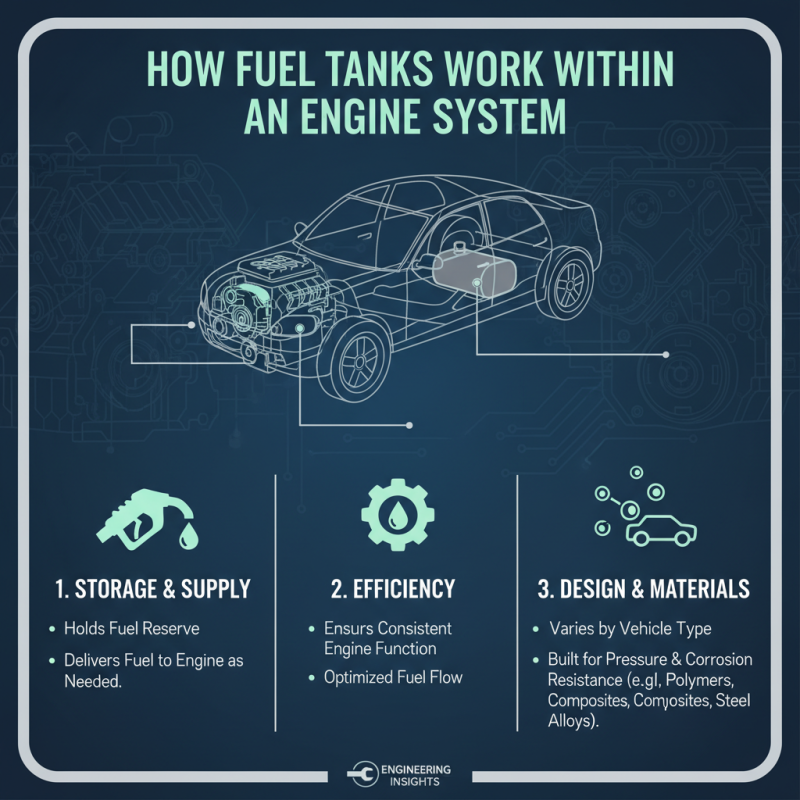
Fuel tanks play a critical role within an engine system. They store and supply fuel, ensuring that an engine functions efficiently. The fuel tank's design varies depending on the vehicle type, and it usually incorporates advanced materials to withstand pressure and corrosion.
The fuel pump draws fuel from the tank and sends it to the engine. According to industry data, an estimated 60% of fuel-related issues arise from tank designs that fail to allow proper drainage. This often leads to blockages and reduced engine performance. Additionally, ethanol-blended fuels can cause tank degradation, affecting longevity.
Fuel tanks also feature various sensors to monitor levels and detect leaks. These sensors help maintain optimal fuel flow. Reports indicate that improved monitoring can increase efficiency by up to 15%. This shows that while fuel tanks seem simple, their role within the engine system is complex and vital, requiring constant reevaluation and innovation for enhanced reliability and performance.
Different Types of Fuel Tanks and Their Applications
Fuel tanks are essential components in various systems, from vehicles to aircraft. They can be categorized based on material, shape, and purpose. Understanding these types can help in selecting the right tank for specific applications.
Steel tanks are common for heavy-duty purposes. They are durable and resistant to impacts. Aluminum tanks are lighter and often used in racing vehicles. These tanks can increase performance by reducing weight. Plastic fuel tanks are popular for smaller vehicles and equipment. They are corrosion-resistant and can be molded into different shapes.
Tips: Regular inspection of your fuel tank is vital. Look for signs of wear or leaks. If you notice any issues, address them immediately. Cleaning the tank periodically can prevent contamination.
Another noteworthy option is bladder tanks. Often used in aerospace applications, these tanks adapt to varying fuel loads. They maintain fuel stability and reduce slosh, offering improved safety and efficiency. However, they can wear down faster than traditional tanks.
Maintenance cannot be overlooked. Each tank type requires specific care. Reflect on how often you inspect and maintain your fuel system. Proper upkeep prolongs the tank's life and ensures safety.
What is a Fuel Tank and How Does It Work? - Different Types of Fuel Tanks and Their Applications
| Type of Fuel Tank |
Material |
Capacity |
Applications |
| Above Ground Fuel Tank |
Steel/Polyethylene |
500-30,000 gallons |
Commercial, Industrial |
| Underground Fuel Tank |
Steel/FRP |
1,000-30,000 gallons |
Gas Stations, Airports |
| Portable Fuel Tank |
Polyethylene |
5-100 gallons |
Construction, Marine |
| Fuel Cell Tank |
Composite Materials |
70-500 liters |
Automotive, Aerospace |
| Gravity Fuel Tank |
Steel |
50-1,500 gallons |
Agricultural, Equipment |
Maintenance and Safety Considerations for Fuel Tanks
Fuel tanks are vital for storing fuels safely. However, they require careful maintenance and attention to safety. Regular checks can prevent leaks and corrosion. Inspecting the tank for any signs of damage is essential. Even minor rust spots can lead to bigger issues over time.
Ensure all connections and seals are tight. Loose fittings can result in fuel vapors escaping, posing health risks. Use appropriate materials for storage to avoid chemical reactions. Regularly monitor fuel levels. Overfilling can lead to spills, which are harmful to the environment.
Emergency plans should be in place. Accidents can happen despite careful management. Train staff on how to handle leaks or spills properly. This training should include personal protective equipment usage. Being prepared makes a difference in safety and compliance. Maintaining a clean area around the tank prevents hazards from developing. Regularly scheduled cleanings can minimize risks and improve efficiency.
Fuel Tank Maintenance and Safety Considerations
This bar chart illustrates key considerations for fuel tank maintenance and safety: the recommended inspection frequency, average repair costs, number of safety incidents per year, and the hours dedicated to maintenance training.