How to Choose the Right Boiler Tank for Your Home System?
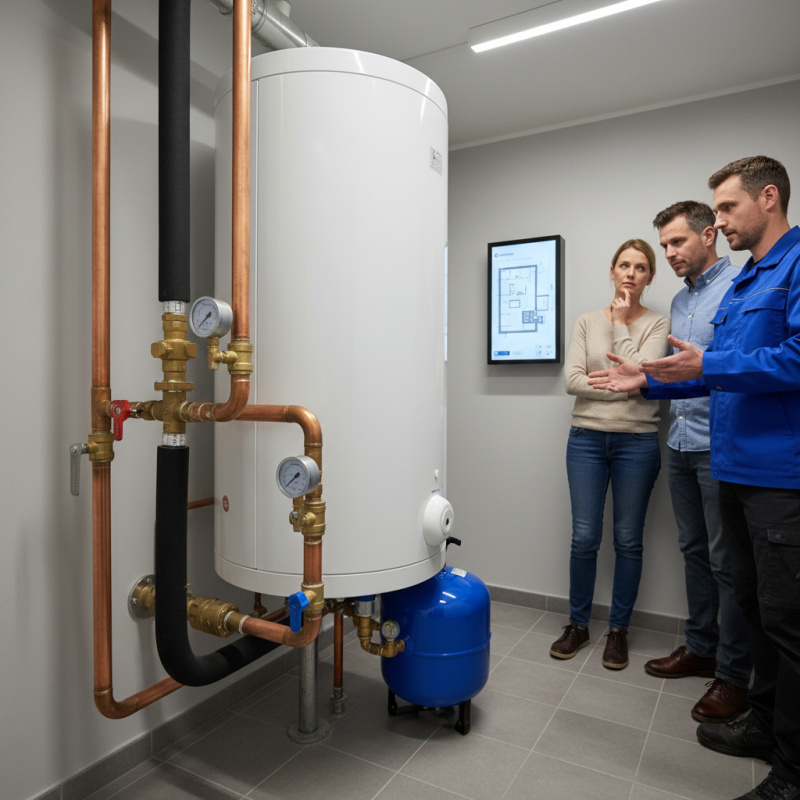
Choosing the right boiler tank for your home system is crucial. It can impact energy efficiency and comfort. A suitable boiler tank ensures a steady supply of hot water. However, selecting one isn't always straightforward.
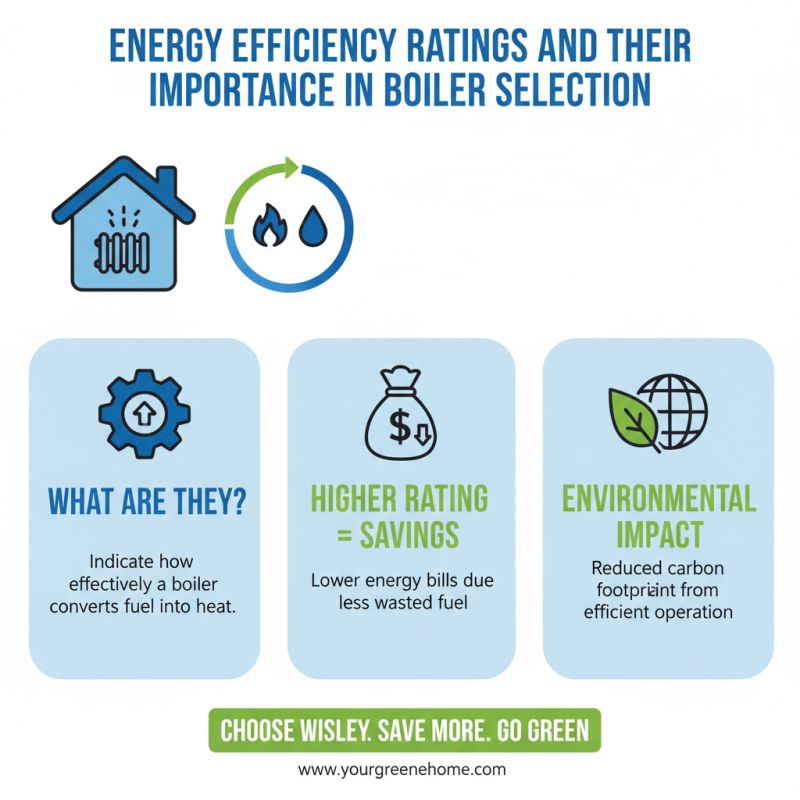
Many factors influence your decision. Size, energy type, and efficiency ratings are key considerations. A larger boiler tank may seem ideal, but it may lead to higher energy bills. Conversely, a smaller tank might not meet your needs. It's about finding balance.
Consulting with experienced professionals can help. They can guide you based on your specific requirements. Their expertise ensures you make an informed choice. Remember, a wrong decision can lead to regrets later. Take your time and weigh the options thoroughly.
Understanding the Types of Boiler Tanks Available for Home Use
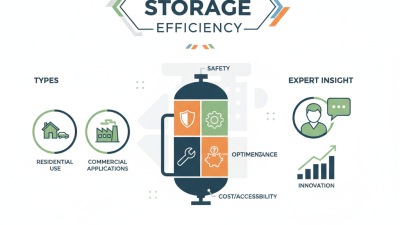
When selecting a boiler tank for your home, it’s key to understand the types available. The three main types are combi, system, and regular boilers. Combi boilers are compact and heat water on demand. They are a good choice for smaller homes but may struggle with high demand.
System boilers are great for larger families. They store hot water in a tank but require space. Regular boilers use a cold water tank and a hot water tank. They are reliable for homes needing a lot of hot water at once.
Consider your specific needs. Think about how many bathrooms you have and your heating requirements. Reflect on the space available for the tank. Researching and weighing your options will lead to a better decision. Each type has its advantages and downsides. Don't rush. Make sure to assess every aspect carefully before choosing.
Factors to Consider When Choosing a Boiler Tank Size
Choosing the right boiler tank size is crucial for maintaining a comfortable home. Several factors will influence your decision. Start with your household's hot water needs. If you have a larger family, you'll require a boiler tank that can keep up with demand. Estimate peak usage times to determine the minimum capacity.
Consider the energy efficiency of your home. Insulation quality and overall energy performance play a significant role in tank size selection. A well-insulated house may need a smaller tank. Evaluate your heating system too. Different systems may work better with specific tank sizes.
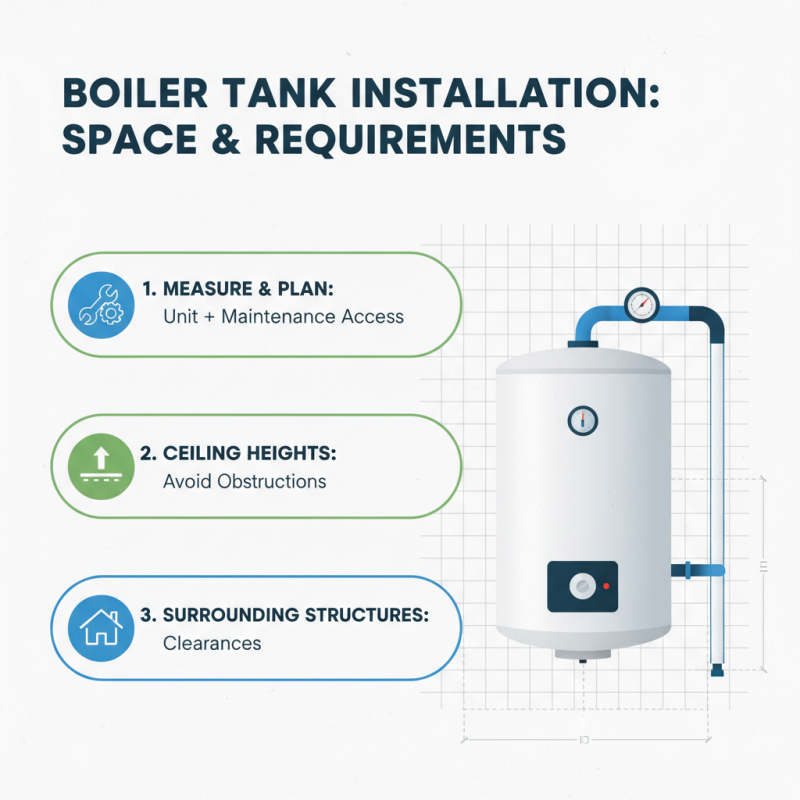
Look at installation space. The available area can limit your options. A larger tank requires more room, while compact models fit tighter spaces. This is an important aspect to review. Regular maintenance is another factor to ponder. Some tanks need more frequent upkeep, which can affect your choice. Don't overlook these details as they directly impact long-term costs and efficiency.
How to Choose the Right Boiler Tank for Your Home System?
| Factor |
Description |
Recommended Size (Liters) |
| Household Size |
The number of people living in the home. |
150 - 250 |
| Peak Demand |
The maximum hot water demand during peak usage. |
200 - 300 |
| System Type |
Whether the system is combi, system, or regular boiler. |
250 - 400 |
| Heating Requirements |
The heating requirements of the home based on size and insulation. |
200 - 350 |
| Energy Efficiency |
The efficiency rating of the boiler, influencing how much is required. |
150 - 300 |
Maintenance and Longevity: How to Choose a Reliable Boiler Tank
When choosing a boiler tank, durability matters. Look for materials that resist corrosion and wear. Stainless steel is often a good choice. Pay attention to the tank's insulation as well. Good insulation improves efficiency and reduces energy costs. A well-insulated tank can last longer, reducing the need for frequent replacements.
Regular maintenance is crucial for longevity. Schedule annual inspections to catch potential issues early. This often includes checking for leaks and assessing the anode rod. Neglecting maintenance can lead to bigger, costlier problems later on. Documenting your maintenance can help identify trends over time, which can provide insight into the tank's performance.
Don’t forget about your system's capacity. A tank that’s too small will work harder, leading to wear. On the other hand, an oversized tank can waste energy. Finding the right balance is essential for efficiency. Consider how long you plan to stay in your home as well. Investing in a reliable boiler tank can save you money long-term.
Boiler Tank Reliability and Maintenance Insights