How to Choose the Right Large Water Storage Tanks for Your Needs?
Choosing the right large water storage tanks is crucial for various applications. In industries like agriculture, construction, and municipal water supply, the demand for reliable water storage is rising. According to a report by MarketsandMarkets, the global water storage market is projected to reach $39.3 billion by 2027, driven by population growth and climate change.
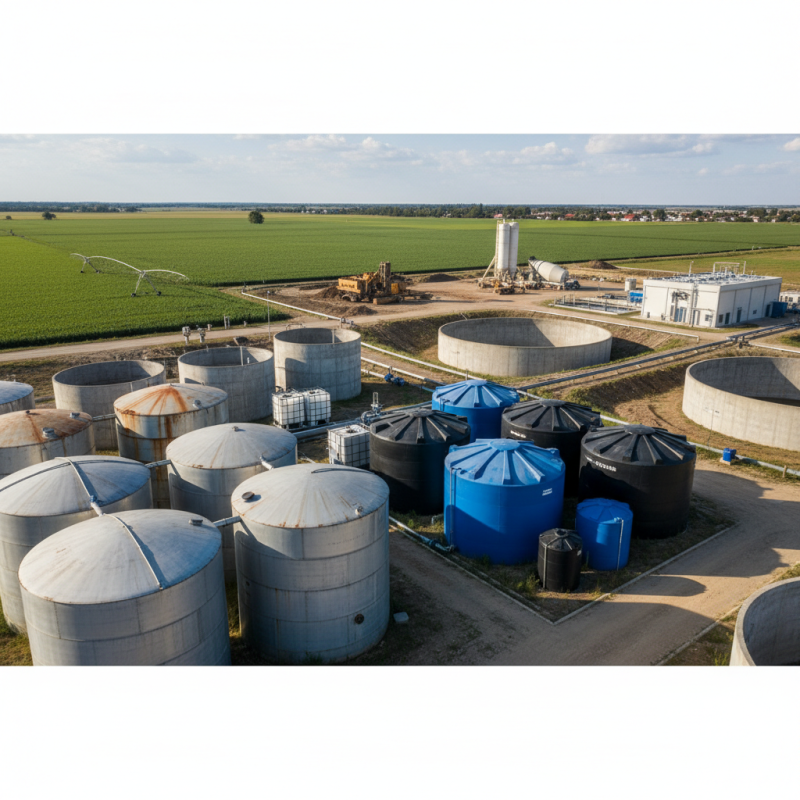
Large water storage tanks come in various materials, including steel, plastic, and concrete. Each option presents unique benefits and drawbacks. For instance, while steel tanks are durable, they may be prone to rust without proper maintenance. On the other hand, plastic tanks offer corrosion resistance but may not withstand extreme climates as well. Understanding these factors is essential before making a decision.
Additionally, you must consider factors such as capacity, location, and local regulations. A poorly selected tank can lead to inadequate water supply, affecting agricultural productivity or community safety. It's a complex process with no one-size-fits-all solution. Reflecting on previous choices can provide valuable insights for current decisions.
Understanding Your Water Storage Needs: Key Considerations
Choosing the right large water storage tank starts with understanding your specific water storage needs. Consider the amount of water you require for daily use. Think about your household size or business demands. Ensure you account for seasonal variations in water usage. If you live in a dry area, you might need a larger tank. Evaluate where the tank will be placed. Accessibility for filling and maintenance is crucial. A well-situated tank prevents unnecessary complications.
Tips: Always assess local regulations on water storage. Your tank must meet safety and quality standards. Consult professionals if you’re unsure about installation. They offer valuable insights based on experience.
While selecting, consider materials for the tank. Options include plastic, steel, and concrete. Each has its pros and cons. For example, plastic is lightweight and affordable but may not be as durable as steel. Reflect on your long-term needs and possible changes in water consumption. This understanding will guide you toward a more sustainable choice.
Types of Large Water Storage Tanks: Materials and Designs
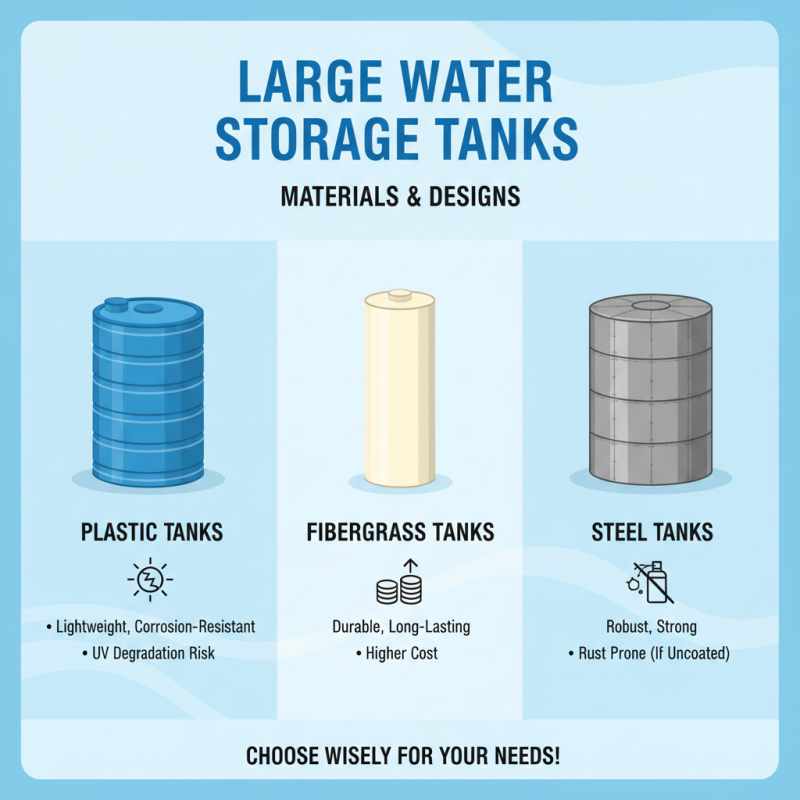
Choosing the right large water storage tank involves understanding various types, materials, and designs available. Common materials include plastic, fiberglass, and steel. Each has unique advantages and drawbacks. According to industry reports, plastic tanks are lightweight and corrosion-resistant but may degrade under UV exposure. Fiberglass tanks provide durability and longevity, yet they can be costly. Steel tanks, while robust, are often prone to rust if not properly coated.
When selecting your tank, consider the intended use and environmental conditions. For instance, a fiberglass tank may be ideal for outdoor applications, while a plastic one could suit indoor use. It's essential to address potential maintenance troubles, especially with steel tanks requiring regular inspection. Think about the long-term cost implications as well. Always check local regulations regarding tank installations.
Tip: Assess your specific needs before choosing a tank size. Oversized tanks may incur unnecessary costs, while undersized tanks could lead to water scarcity. Additionally, remember to factor in the climate. Extreme temperatures can impact tank material performance. Planning for potential future changes in water demand is crucial, too.
Evaluating Size and Capacity Requirements for Your Property
When evaluating size and capacity requirements for large water storage tanks, consider your property’s unique needs. One vital aspect is estimating daily water usage. This can help determine how much water you need to store at any time. For instance, a family may require several hundred gallons daily. Larger properties, like farms, might need thousands of gallons. Understanding these needs is crucial for selecting the right tank.
The physical constraints of your property also come into play. Analyze the available space for installation. Is there room for a large tank? Will you need to access it regularly?
Moreover, think about local climate conditions. A tank's capacity should align with the potential demand during dry spells. This helps ensure you do not run out of water when you need it most. A mismatch could lead to costly consequences, so reflect on these factors carefully.
Assessing Installation and Maintenance Factors for Water Tanks
When selecting a large water storage tank, installation and maintenance factors are crucial. Proper placement impacts functionality and safety. According to industry reports, nearly 30% of tank failures stem from poor installation. A qualified technician should assess the site. This ensures the tank aligns with local regulations and environmental conditions.
Maintenance is another essential consideration. Regular inspections can prevent costly repairs. The American Water Works Association recommends performing annual maintenance checks. Ignoring maintenance can lead to system failures and water contamination. In fact, improper maintenance can reduce tank lifespan by up to 50%.
Think about accessibility. Tanks should be reachable for cleaning and repairs. Limited access can complicate necessary tasks, frustrating maintenance efforts. Additionally, consider the material used for the tank. Some materials require more upkeep than others. Weigh these factors carefully. They significantly influence the tank's overall performance and longevity.
Budgeting for Large Water Storage Tanks: Costs and Financing Options
When budgeting for large water storage tanks, understanding costs is essential. According to industry reports, the average cost for a large tank can range from $5,000 to $50,000, depending on its size and material. Fiberglass tanks typically cost less while steel tanks may come with a higher price tag due to durability. Installation fees can also add an additional 20% to your budget.
Financing options are available for those who may need assistance with costs. Many manufacturers offer leasing or installment payment plans. Some local governments provide grants or low-interest loans to encourage water conservation. According to a recent survey, about 40% of consumers utilize financing to manage these upfront costs.
Always consider long-term maintenance costs, which can often be overlooked. Annual inspections and routine maintenance can add up. Choosing the right size is crucial. A tank that is too large may lead to unnecessary spending, while one that is too small could lead to increased costs in the future. It's important to evaluate all possible scenarios thoroughly.