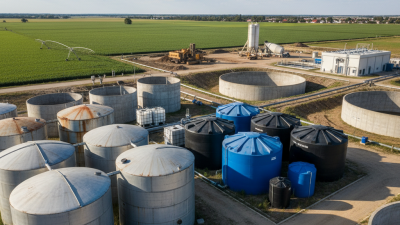
China Best Oil Tanks for Efficient Storage Solutions?
Efficient storage solutions are crucial for industries reliant on oil. According to a recent report by Grand View Research, the global oil tank market is projected to reach $8 billion by 2025. This growth reflects the increasing demand for proper storage facilities. The need for reliable oil tanks is vital amid rising production and consumption rates.
China plays a significant role in this market. As the largest importer of crude oil, the country must optimize its storage capabilities. Data from the National Bureau of Statistics of China highlights that oil tank storage capacity has increased by 15% in recent years. However, challenges remain, such as environmental concerns and safety regulations.
The effectiveness of oil tanks is not solely determined by capacity, but also by design and technology. Innovative solutions are emerging, yet many facilities still rely on outdated systems. This raises questions about efficiency and safety in storage practices. Investing in advanced oil tanks could address these issues.
China's Leading Oil Tank Manufacturers: An Overview of the Market
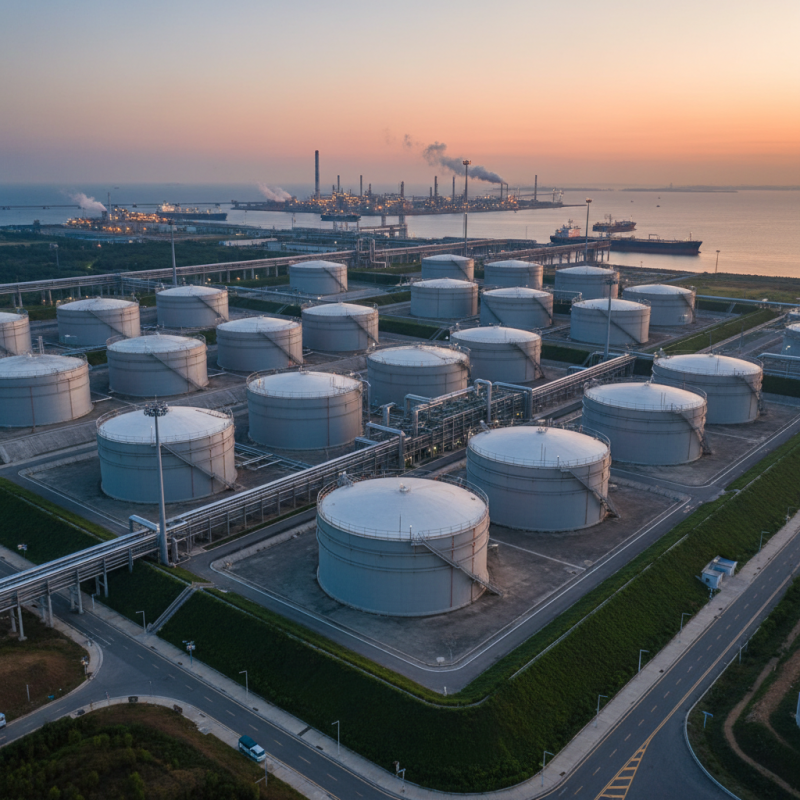
China's oil tank market has experienced significant growth and advancement. As the demand for efficient storage solutions rises, various manufacturers have emerged, each contributing to the industry. These companies focus on building tanks that meet international standards and cater to local needs.
Leading manufacturers emphasize durability and safety. Their tanks are engineered to resist corrosion and withstand extreme conditions. Many products feature advanced technology for monitoring oil levels and ensuring proper maintenance. However, not all solutions perfectly fit the unique requirements of every client. Customization is often necessary, leading to further complexity.
In recent years, the competition has intensified. Some companies prioritize cost over quality, which raises concerns about the long-term reliability of their products. Additionally, navigating regulations can be challenging for new entrants. It's crucial for buyers to conduct thorough research. Understanding the nuances of the market helps in making informed decisions.
Key Features of Efficient Oil Tanks for Optimal Storage Solutions
Efficient oil tanks are vital for optimal storage solutions. When selecting these tanks, focus on key features. For instance, durability is essential. Tanks made with high-quality materials withstand harsh conditions, ensuring long-term use. A good tank should have corrosion resistance. The right coating can significantly extend its lifespan.
Another important factor is capacity. Properly sizing the tank prevents overflow and waste. Too small tanks lead to frequent refills, while oversized tanks can create storage issues. Always calculate your storage needs accurately before making a purchase.
Tips: Regular maintenance is critical. Inspect tanks for leaks or damages periodically. This practice improves safety and efficiency. Keep in mind that efficient oil tanks should also allow easy access for filling and monitoring levels. This simplifies operations and minimizes downtime. Attention to detail, like proper ventilation, can further enhance safety and efficiency.
Comparative Analysis of Oil Tank Designs and Their Storage Capacities
When analyzing oil tank designs, understanding their storage capacities is crucial for optimization. Various tank types vary significantly in size and efficiency. For instance, the API 650 tanks are widely used. These are large, welded steel tanks that can hold between 100,000 and 1 million gallons. In contrast, smaller horizontal tanks may store only a fraction of that amount, but require less ground space.
Storage capacity matters, especially in terms of environmental impact. Overflow or leaks can lead to serious incidents. The Environmental Protection Agency estimates that improper storage leads to over 1 million gallons of oil spilled annually in the U.S. Oil tank design must prioritize safety and efficiency. Regulators emphasize the importance of secondary containment systems. These systems can mitigate risks, ensuring safety during operation.
Tip:
Regular inspections can help detect issues early. Look for signs of corrosion on tank surfaces. Additionally, consider integrating
advanced monitoring systems. These not only track tank levels but also detect potential leaks. The right design and regular maintenance can prevent costly environmental damages while maximizing storage capabilities.
Regulatory Standards Impacting Oil Tank Construction in China
In China, regulatory standards for oil tank construction are stringent and evolving. The government enforces these standards to ensure safety and environmental protection. According to the Ministry of Ecological Environment, over 80% of oil tanks must now comply with the latest environmental guidelines. These regulations aim to minimize risks related to leaks and spills, which can have devastating effects on local ecosystems.
Recent reports indicate that non-compliance can result in fines exceeding 500,000 CNY. This encourages many companies to invest in better storage solutions that meet regulatory demands. However, some facilities still lag in upgrading their systems, risking both penalties and potential environmental harm. A common issue is the lack of advanced technology in older tanks, which often fails to meet the newer standards.
Constructing an oil tank is no simple task. It requires detailed planning and adherence to local regulations. Many companies struggle with implementation due to varying local standards. This inconsistency can create confusion and operational challenges. Industry experts suggest that more unified guidelines could streamline the construction process. Continuous training and resources for workers can enhance compliance and safety.
Oil Tank Capacity and Compliance in China (2023)
Innovative Technologies in Oil Storage: Enhancing Safety and Efficiency
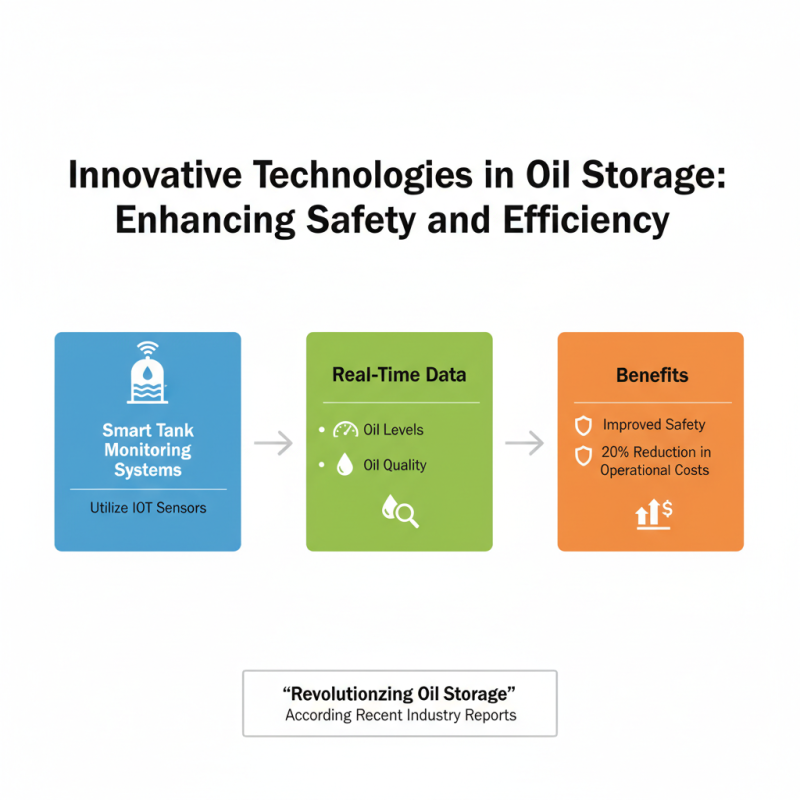
Innovative technologies are revolutionizing oil storage, improving safety and efficiency. The adoption of smart tank monitoring systems is a prime example. These systems utilize IoT sensors to provide real-time data on oil levels and quality. According to recent industry reports, companies utilizing these technologies have seen a reduction in operational costs by up to 20%.
Another advancement is the use of advanced materials for tank construction. High-strength composites are gaining popularity due to their durability and resistance to corrosion. A study shows that tanks made from these materials have a lifespan increase of over 30%. However, the initial investment remains substantial, leading to some hesitation in adoption.
On the safety front, automated leak detection systems are a game-changer. They minimize human error, a significant factor in many incidents. Data indicates that installations of these systems have led to a 50% decrease in spill incidents. Despite these advancements, challenges persist in regulatory compliance and the integration of new technologies into existing infrastructures.