Search

What Is a Gas Storage Tank and How Does It Work?

A gas storage tank is more than a steel container. It is a controlled system for holding LPG, LNG, or compressed natural gas safely until demand rises. The design changes with the gas. LPG tanks typically store liquefied fuel under pressure. LNG tanks use extreme insulation and cryogenic temperatures. Compressed gas vessels depend on thick walls and carefully tested fittings.

IEA’s Gas Market Report, published in the first quarter of 2024, forecast global gas demand to rise 2.5% that year. This growth increases the value of reliable storage. The U.S. Energy Information Administration reports more than four trillion cubic feet of working natural gas capacity. Most of it is underground, not held in tanks. This distinction is easy to miss.

Inside a gas storage tank, pressure and temperature constantly interact. Liquid gas occupies less space than vapor. Operators therefore monitor the liquid level, vapor pressure, temperature, and withdrawal rate. Relief valves protect against excessive pressure. Isolation valves help control emergencies and maintenance. Sensors provide warnings before small changes become dangerous.

Standards also shape the design. API 2510 addresses LPG storage facilities. NFPA 58 covers liquefied petroleum gas safety. NFPA 59A guides LNG production, storage, and handling. These standards support engineering decisions, but they do not replace site-specific judgment. A tank may look simple from outside. It is not. Corrosion, thermal movement, foundation settlement, and operator error can still create weaknesses. This introduction explains the basic working principles, while a qualified engineer must verify every real installation.
What Is a Gas Storage Tank and How Does It Work?

Definition and Purpose of a Gas Storage Tank

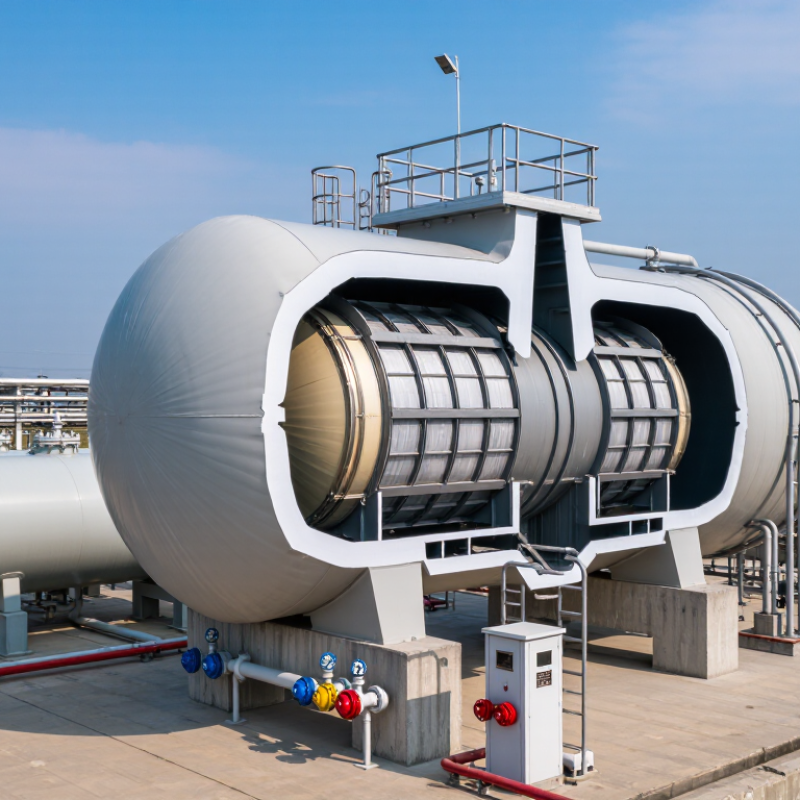
A gas storage tank is a pressure-rated vessel designed to hold gas safely until it is needed. Depending on the gas, it may store compressed natural gas, liquefied petroleum gas, biogas, or industrial gases. The tank usually includes a steel shell, valves, pressure gauges, regulators, and a relief device. Its purpose is practical: maintain supply, balance demand, and support reliable distribution.

A tank does not create gas. It provides controlled availability. During low-demand periods, gas enters through an inlet line and fills the vessel. When demand rises, an outlet system releases gas through pressure-control equipment. The relief device protects the tank from excessive pressure, while inspection procedures check corrosion, welds, and valve performance. Small details matter. A damaged gauge can mislead operators.

The U.S. Energy Information Administration reports working natural-gas storage capacity above 4 trillion cubic feet in recent storage data. This scale shows why storage supports energy resilience, especially during cold weather and sudden demand changes. The International Energy Agency’s Global Gas Security Review 2024 also identifies storage as a key flexibility tool during supply disruptions. European storage facilities exceeded 90% fullness before the 2024–2025 winter season, according to Gas Infrastructure Europe data. Still, these figures describe regional systems, not every tank. Real installations are less tidy. Temperature, gas quality, pressure cycling, and maintenance can change performance. A storage tank is useful, but never a careless substitute for engineering judgment.

Main Types of Gas Storage Tanks

What Is a Gas Storage Tank and How Does It Work?

Main Types of Gas Storage Tanks

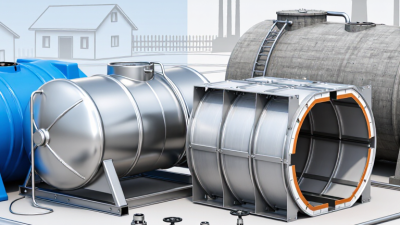
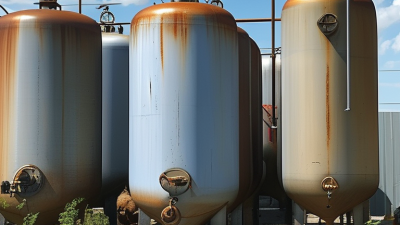
Gas storage tanks hold gases under pressure or at very low temperatures. Their design depends on the gas, volume, pressure, and delivery schedule. A household LPG vessel may sit outdoors with visible pressure valves. A large LNG tank feels different: it uses double walls, insulation, and a cold inner container to keep gas liquid.

Compressed-gas tanks store gas in cylinders or horizontal vessels. Steel and composite cylinders commonly operate at 200 to 700 bar, according to hydrogen storage guidance from the U.S. Department of Energy. These tanks suit hydrogen, oxygen, nitrogen, and other industrial gases. They need pressure relief devices and regular inspection. Small damage can become serious.

Cryogenic tanks store liquefied gases, including LNG, nitrogen, and oxygen. They use vacuum insulation to reduce heat entering the tank. Large LNG facilities may hold more than 100,000 cubic meters in one tank. The International Energy Agency reported that global LNG trade reached about 585 billion cubic meters in 2023, increasing demand for reliable storage infrastructure.

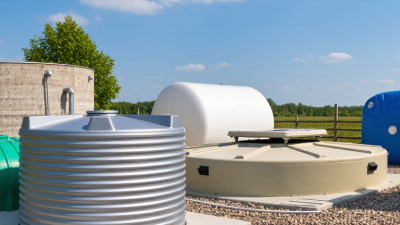
Low-pressure tanks store gases in larger, flexible volumes. Spherical vessels are common for pressurized liquefied gases, while fixed-roof tanks may serve lower-pressure applications. Underground storage is not technically a tank, but operators often compare it with surface storage. U.S. Energy Information Administration data place working natural-gas storage near 4 trillion cubic feet in recent years. The categories overlap. Real facilities often combine them.

What Is a Gas Storage Tank and How Does It Work? — Main Types of Gas Storage Tanks
Tank Type How It Stores Gas Typical Operating Conditions How It Works Common Applications Main Construction Features Key Safety Considerations
Compressed Gas Tank Stores gas in its gaseous state at high pressure. Common working pressures range from approximately 150 to 300 bar; ambient temperature operation is typical. A compressor fills the pressure vessel. The tank releases gas through a valve and pressure regulator as the gas is needed. Oxygen, nitrogen, argon, carbon dioxide, hydrogen, medical gases, laboratory gases and industrial gas supply. Seamless steel or aluminum cylinders, welded steel vessels, or fiber-reinforced composite cylinders with a protective liner. Requires pressure relief devices, periodic inspection, correct gas identification, secure mounting and protection from heat or physical damage.
Cryogenic Liquid Tank Stores a gas as a refrigerated liquid at very low temperature. Temperatures depend on the gas; examples include about −162°C for liquefied natural gas, −183°C for liquid oxygen and −196°C for liquid nitrogen. Pressure is generally low to moderate compared with compressed-gas storage. Insulation limits heat transfer and evaporation. A pressure-building circuit or vaporizer converts part of the liquid into gas to maintain pressure and supply usable gas. Large-volume storage of natural gas, oxygen, nitrogen, argon, carbon dioxide and other liquefied gases. Double-wall construction with an inner vessel, an outer jacket and vacuum or high-performance insulation. Protection is required against cryogenic burns, oxygen enrichment, oxygen deficiency, pressure rise from liquid expansion and loss of vacuum insulation.
Liquefied Petroleum Gas (LPG) Tank Stores propane, butane or a mixture as a pressurized liquid with vapor space above the liquid. Usually operates at ambient temperature. Internal pressure varies significantly with product composition and temperature; typical service pressures are commonly within the low-megapascal range. Liquid is filled into the vessel while vapor remains above it. As gas is withdrawn, liquid boils and replenishes the vapor space, maintaining pressure until the liquid level falls. Cooking fuel, heating, agricultural operations, industrial fuel systems and vehicle fuel applications. Horizontal or vertical welded steel pressure vessels equipped with fill, withdrawal, level, relief and excess-flow connections. Must be installed with adequate ventilation and separation distances. Overfilling, ignition sources, corrosion and pressure relief discharge require strict control.
Low-Pressure Gas Holder Stores a large volume of gas at very low pressure, often with a variable volume. Typically operates only slightly above atmospheric pressure, often in the range of a few millibars to several tens of millibars. A flexible membrane or movable roof rises as gas enters and lowers as gas is consumed, providing a visible buffer between production and demand. Biogas, landfill gas, wastewater-treatment gas and other low-pressure fuel or process gases. Membrane gas holders, water-sealed holders or rigid structures with flexible internal covers. Requires gas-tight membranes, flame and backfire protection, ventilation, gas monitoring and control of methane leakage.
Underground Gas Storage Facility Stores large quantities of natural gas in geological formations rather than in a fabricated tank. Operating pressure depends on depth, geology and facility design; storage pressure must remain within approved formation and well limits. Gas is injected into porous rock formations or salt caverns during low-demand periods and withdrawn through wells during high-demand periods. Seasonal natural-gas storage, supply balancing, peak-demand support and strategic reserves. Wells, compressors, pipelines, monitoring systems and geological containment structures such as salt caverns or depleted reservoirs. Requires continuous monitoring for well integrity, leakage, pressure control, ground movement and compliance with environmental regulations.
Adsorbed Gas Storage Tank Stores gas on the surface of a porous solid material, allowing storage at lower pressure than conventional compressed-gas systems. Operating pressure varies by design and adsorbent; systems commonly work at moderate pressure and near ambient temperature. Gas molecules attach to the internal surface of an adsorbent material. Heating, reducing pressure or changing operating conditions releases the gas for use. Specialized natural-gas, methane and hydrogen storage systems where reduced pressure or compact equipment is desirable. Pressure vessels containing activated carbon, metal-organic frameworks or other high-surface-area adsorbents. Performance is affected by temperature, moisture and adsorbent condition. Vessel pressure protection and thermal management are essential.
Important: Actual pressure, temperature, capacity and materials must be selected according to the stored gas, local regulations, vessel design code, installation environment and required safety classification.

Key Components and Their Functions

What Is a Gas Storage Tank and How Does It Work?

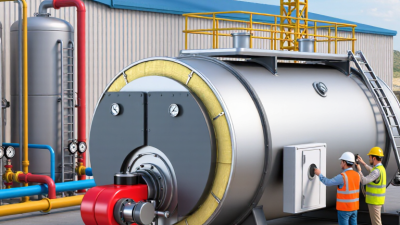
A gas storage tank temporarily holds natural gas, liquefied natural gas, or compressed gas. Its components control pressure, temperature, flow, and safety. The main shell provides structural strength. For LNG, a cold inner container holds liquid near -162°C, while insulation slows heat transfer. An outer wall adds protection.

The foundation supports the tank and limits settlement. Even small movement can stress connected pipes. Inlet and outlet nozzles manage filling and withdrawal. Internal pumps may transfer LNG through liquid lines. Pressure-vacuum vents release excess pressure and prevent damaging vacuum conditions. Level gauges show the liquid height. Temperature sensors detect unusual warming.

Overfill protection is essential. Independent alarms and automatic shutdown devices can stop filling before the tank reaches its safe limit. A containment wall or bund collects leaks. Grounding reduces static risks, while firewater systems support emergency response. EIA’s Natural Gas Storage Dashboard places U.S. working-gas capacity at roughly 4.6 trillion cubic feet, showing the scale of storage infrastructure. The IEA’s Global Gas Security Review also identifies storage as a key flexibility tool during demand surges.

Tips: Inspect vents, gauges, seals, and emergency shutdowns on a defined schedule. Keep inspection records specific. “Looks fine” is not enough. Operators should compare sensor readings with manual checks, because instruments can drift. A 2023 inspection may also reveal tomorrow’s weakness. Designing for access matters, but it is often underestimated. Follow applicable API, NFPA, and local engineering requirements.

How a Gas Storage Tank Stores and Releases Gas

What Is a Gas Storage Tank and How Does It Work?

A gas storage tank is a pressure-rated vessel that holds gas until it is needed. Common designs store gas under pressure or inside a flexible gas holder. The tank body uses strong metal, protective coatings, and sealed connections. Its purpose is simple: keep gas contained, stable, and available.

How a Gas Storage Tank Stores and Releases Gas

During filling, a compressor or supply line pushes gas through an inlet valve. Pressure rises as more gas enters the tank. A pressure gauge shows the internal condition, while sensors may monitor temperature and leakage. When gas is required, an outlet valve opens. Gas flows toward the equipment as internal pressure changes. A regulator reduces pressure to a suitable working level. Safety relief devices protect the tank if pressure becomes dangerously high. In field inspections, technicians also check corrosion, welds, valve movement, and unusual odors. Small defects matter. Real systems are not always perfectly predictable.

Tips: Keep the tank on a stable foundation and protect it from vehicle impact. Never block relief valves or ventilation openings. Inspect hoses and fittings for cracks, rust, or loose joints. Follow the manufacturer’s pressure limits and local inspection requirements. If a gauge behaves strangely, stop using the system and contact a qualified technician. Regular records help reveal slow changes that a single inspection might miss.

Safety Systems, Maintenance, and Common Applications

A gas storage tank holds compressed natural gas, liquefied natural gas, or liquefied petroleum gas for later use. Pressure, temperature, and vapor space must remain controlled. In LNG service, insulated double-wall tanks limit heat transfer and reduce boil-off. The GIIGNL 2024 Annual Report recorded global LNG trade of about 404.5 million tonnes in 2023, showing why reliable terminal storage matters. These tanks support power plants, industrial users, peak-shaving stations, and emergency fuel reserves.

Safety systems work in layers. Pressure relief valves release dangerous overpressure, while level sensors warn operators before overfilling. Gas detectors monitor leaks near valves, flanges, and pipe connections. Emergency shutdown systems can isolate the tank and stop transfer pumps. NFPA 59A addresses LNG production, storage, and handling facilities, while API 625 covers refrigerated liquefied gas containment systems. A visible frost line may indicate insulation damage. Do not ignore it.

Maintenance requires more than a yearly visual check. Operators should inspect foundations, weld zones, corrosion protection, earthing, valves, alarms, and remote shutdown circuits. Calibration records must be traceable. The U.S. Energy Information Administration reported approximately 3,900 Bcf of demonstrated underground working gas capacity in 2024, although aboveground tanks serve different storage needs. Inspection intervals depend on design and service conditions. A checklist can miss an aging seal or a faulty sensor. Experienced technicians should combine records, testing, and careful field observation. Hands-on judgment still matters.