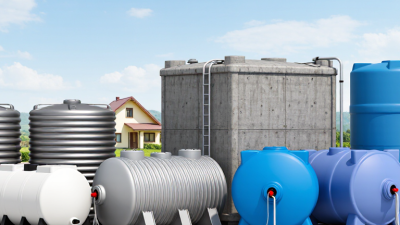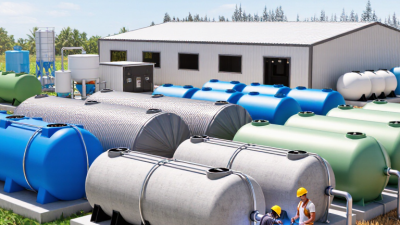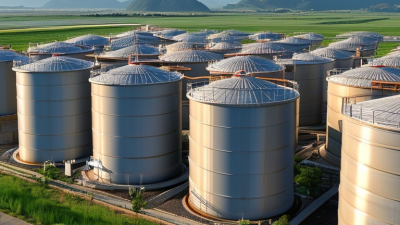
Industrial facilities need storage systems that perform reliably under pressure, temperature changes, and daily handling. Steel storage tanks remain a practical choice for water, fuel, chemicals, and process materials. Their strength supports large capacities without excessive structural movement. Their long service life can also reduce replacement frequency and disruption.
In real industrial settings, tank selection begins with the stored material and operating conditions. Engineers review chemical compatibility, temperature ranges, internal pressure, site loading, and inspection access. They also consider foundations, drainage, corrosion protection, and emergency containment. A tank may look robust, yet poor coating maintenance can shorten its useful life. Details matter.
Steel offers a balance of durability, fabrication flexibility, and predictable performance. Welded designs can match specific capacities and connection requirements. Properly designed roofs, vents, ladders, and monitoring equipment improve operational safety. Reliable suppliers should provide traceable materials, clear drawings, inspection records, and installation guidance. Independent inspections can strengthen confidence before commissioning.
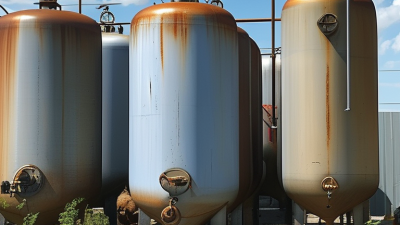
Still, steel is not perfect. Corrosion remains a concern, especially where moisture collects beneath insulation or around fittings. Regular inspections are essential, not optional. Operators should record coating condition, leaks, settlement, and unusual odors. These observations may seem minor, but they can reveal developing problems. Choosing steel storage tanks is therefore more than comparing purchase prices. It requires practical judgment, qualified engineering, and a maintenance plan suited to the facility’s real conditions. No single tank design fits every operation. That limitation deserves honest attention.
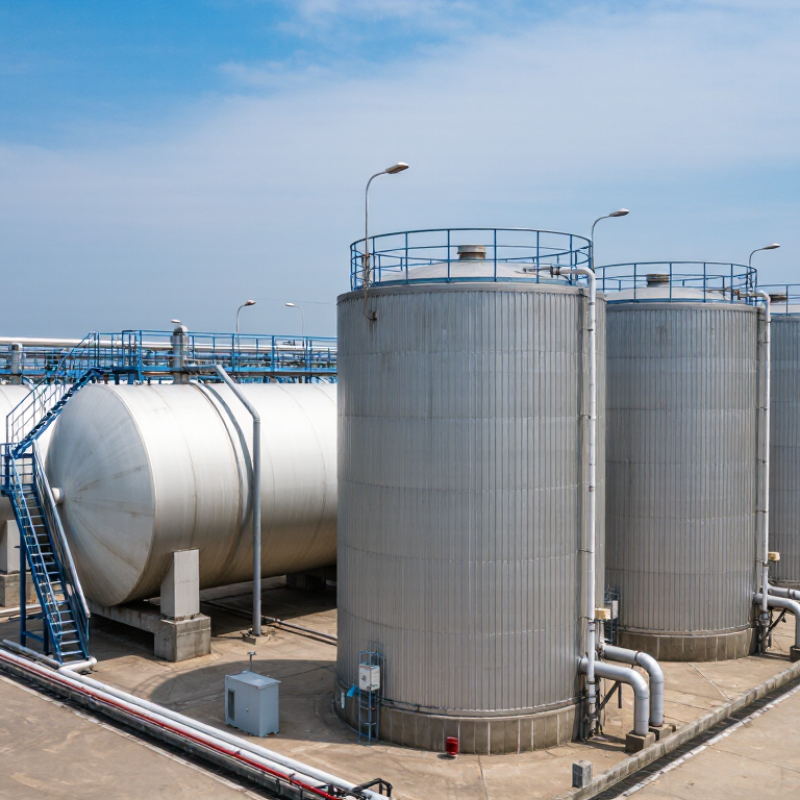
Steel remains a practical choice for industrial storage because its properties are measurable and well documented. EN 1993-1-1 uses 7,850 kg/m³ as the standard density for structural steel. This high density gives tanks substantial mass, helping them resist movement from wind, vibration, and internal pressure. However, heavier is not always better. Foundation design must account for the tank, stored liquid, and full operating load.
Strength matters more than appearance. ASTM A36 specifies a minimum yield strength of 250 MPa, while many modern tank steels exceed this value. Yield strength describes when permanent deformation begins. It does not guarantee safe performance under every condition. Engineers must also check weld quality, corrosion allowance, temperature, fatigue, and stress concentration around nozzles.
The World Steel Association reported approximately 1.89 billion tonnes of crude steel production in 2023, showing the material’s mature global supply chain. ISO 6892-1 provides a recognized method for testing tensile properties, supporting consistent quality verification. In field inspections, technicians commonly examine coating damage, weld seams, roof joints, and sediment zones near the tank floor. These small checks matter. A specification can look excellent on paper, yet poor drainage or neglected inspection may shorten service life. Steel offers strength and predictable fabrication, but responsible maintenance remains part of the design.
Why Choose Steel Storage Tanks for Industrial Use?
For many industrial facilities, steel storage tanks offer strength, repairability, and predictable performance. API 650 focuses on welded, aboveground tanks designed for near-atmospheric pressure service. This distinction matters. These tanks are not intended to replace pressure vessels.
The design begins with the stored liquid, operating temperature, tank diameter, and site conditions. Engineers select shell thicknesses by course, considering hydrostatic pressure and corrosion allowance. Bottom plates rest on a prepared foundation, while roof details support drainage and vapor control. Vents must handle normal breathing and possible filling or emptying rates. Small design oversights can create large maintenance problems.
Weld quality deserves close attention. Visual checks, dimensional controls, and suitable nondestructive examinations help verify fabrication. Inspectors should also review material certificates, welding procedures, and repair records. Foundation settlement requires monitoring, especially during early operation. A tank can meet its calculations and still perform poorly on uneven ground. That is easy to underestimate.
Corrosion protection depends on the liquid, atmosphere, coating system, and inspection plan. Drainage around the tank should prevent standing water near the bottom edge. Operators should record leaks, coating damage, unusual odors, and changes in settlement. API 650 provides a strong framework, but safe results depend on competent engineering, qualified fabrication, careful commissioning, and disciplined inspection. The standard does not remove the need for judgment.
Steel storage tanks remain practical for industrial water systems because they combine large capacity, inspectable welds, and adaptable site installation. Their value becomes clearer under seismic loading. AWWA D100 provides engineering requirements for welded carbon-steel tanks, including shell design, anchorage, stability, and seismic effects. Engineers must evaluate impulsive and convective water movement, not only the tank’s empty weight.
During an earthquake, stored water can surge against the shell and roof. This sloshing may increase uplift, shell stress, and foundation demand. AWWA D100 calculations should align with the project’s governing building code, geotechnical report, and seismic hazard data. ASCE 7-22 supplies broader seismic design procedures, while site-specific soil conditions determine whether anchorage needs stronger detailing. No tank is risk-free. A poorly compacted foundation can undermine excellent steelwork.
The need for resilient storage is substantial. The U.S. Environmental Protection Agency’s 7th Drinking Water Infrastructure Needs Survey and Assessment estimates $625 billion in drinking-water investment needs over 20 years. The U.S. Geological Survey reported approximately 322 billion gallons of water withdrawals per day in 2015, showing the scale of national water demand. Field experience still matters. Inspectors should verify weld quality, coating condition, corrosion allowance, anchor rods, roof access, and drainage after construction. Design assumptions can be wrong. Periodic inspections and documented maintenance help expose those weaknesses before seismic movement or operational pressure reveals them.
| Application or Design Dimension | Relevant Steel Tank Capability | AWWA D100-Related Consideration | Industrial Value |
|---|---|---|---|
| Potable Water Storage | Welded carbon-steel tanks can be configured for treated-water storage with suitable interior coatings, linings, appurtenances, and access provisions. | AWWA D100 is a design and construction standard for welded carbon-steel tanks used in water-service applications. Material and coating requirements must be coordinated with the applicable water-contact regulations. | Supports reliable reserve capacity for distribution systems, treatment facilities, and industrial campuses. |
| Raw Water and Process Water | Tank geometry and fittings can be selected for raw-water intake, clarified water, cooling-water supply, or other non-potable process services. | The design should define liquid properties, operating temperature, corrosion allowance, internal equipment, overflow elevation, and piping loads before structural analysis. | Provides a centralized buffer between treatment, production, and peak-demand operations. |
| Fire Protection Water | Large-volume steel tanks can maintain dedicated fire-water reserves when designed with the required suction, outlet, overflow, access, and monitoring arrangements. | Tank design must be coordinated with the governing fire-protection standard, site fire-water demand, operating level, foundation design, and emergency access requirements. | Improves emergency water availability without relying solely on continuous process-water production. |
| Seismic Loads | A welded steel tank can be engineered for earthquake-induced liquid motion, shell stresses, roof effects, anchorage forces, and foundation reactions. | Seismic design requires project-specific hazard data, site classification, tank geometry, liquid level, impulsive and convective effects, and the applicable edition of the standard and building regulations. | Reduces the risk of sliding, overturning, shell damage, connection failure, and loss of essential water service during an earthquake. |
| Structural Load Resistance | The tank system can be checked for hydrostatic pressure, self-weight, roof loads, wind, seismic actions, internal or external pressure, and operating equipment loads. | Design calculations should address shell courses, bottom plates, roof framing, compression rings, stiffeners, welds, anchors, and the supporting foundation as an integrated system. | Creates a documented basis for safe operation across normal, temporary, and extreme load cases. |
| Foundation and Settlement Control | Steel tanks can be supported on ringwall, slab, or other engineered foundations selected according to soil conditions and tank configuration. | Geotechnical information is needed to evaluate bearing capacity, differential settlement, uplift, sliding resistance, drainage, and anchorage requirements. | Helps maintain shell roundness, bottom integrity, nozzle alignment, and long-term serviceability. |
| Corrosion Protection | Protection may include coating systems, linings, corrosion allowances, cathodic protection, exterior weather coatings, and controlled water chemistry. | Selection depends on water chemistry, exposure conditions, immersion service, temperature, coating compatibility, surface preparation, and inspection requirements. | Extends service life and helps preserve the designed wall thickness and water quality performance. |
| Weld Quality and Fabrication | Shop and field welding allow large tank sections to be fabricated and assembled with controlled joint details and inspection procedures. | The project quality plan should define welding procedures, welder qualifications, examination methods, repair controls, dimensional checks, and records. | Provides traceable construction quality and supports dependable liquid-tight performance. |
| Inspection and Maintenance | Exterior inspections, coating assessments, leak checks, settlement surveys, roof inspections, and periodic interior evaluations can be incorporated into an asset-management program. | Inspection intervals and methods should be established by the owner based on service conditions, regulatory obligations, tank age, condition, and operational criticality. | Makes deterioration visible before it develops into an unplanned outage or water-loss event. |
| Design Flexibility and Expansion | Tank diameter, shell height, roof arrangement, access platforms, piping connections, and instrumentation can be adapted to site and capacity requirements. | Any modification, alteration, or future connection should be reviewed for effects on shell stresses, nozzle reinforcement, foundation loads, seismic behavior, and coating continuity. | Allows storage capacity and operating features to align with changing industrial demand. |
| Safety-Critical Appurtenances | Manways, ladders, platforms, vents, overflows, level instruments, roof openings, isolation valves, and access systems can be integrated into the tank design. | Appurtenances must be checked for operational access, loads, corrosion exposure, overflow routing, ventilation, fall protection, and connection effects on the tank shell or roof. | Supports safe inspection, controlled operation, and protection of connected equipment. |
Note: Final tank design should be prepared and reviewed by qualified professionals using the contract requirements, governing regulations, site-specific geotechnical and seismic data, and the applicable edition of AWWA D100.
Why Choose Steel Storage Tanks for Industrial Use?
Steel storage tanks offer strength, repairability, and dependable service in demanding facilities. Their corrosion protection, however, must match the surrounding environment. ISO 12944 classifies atmospheric exposure from C1 to CX. C1 describes very low-risk indoor spaces, while C2 covers low-risk rural conditions. C3 includes moderate humidity, such as ordinary industrial areas. C4 applies to wetter or more polluted locations. C5 and CX demand stronger protection, including severe industrial, coastal, and offshore exposure.
Field inspections often reveal the same problem: a tank looks sound, but coating damage has started beneath supports or around welds. Engineers should assess humidity, salt deposits, chemicals, temperature changes, and maintenance access before selecting a coating system. The ISO category helps, but it is not the entire decision. Required durability, surface preparation, steel thickness, and local operating conditions also matter. A small oversight can become an expensive repair.
Tips: Check tank roofs, weld seams, ladders, and drainage points regularly. Remove dust and salt before they hold moisture against the coating. Record photographs and coating readings during inspections. Choose a qualified inspector and request documented surface-preparation results. Do not assume a higher category always solves every problem. Poor application can weaken an excellent specification. That part is easy to underestimate.
Steel storage tanks can serve industrial facilities for 20–40 years when owners treat maintenance as an operating responsibility. In field experience, service life depends on steel quality, tank design, foundation stability, stored material, and local weather. A tank exposed to coastal humidity needs closer attention than one in a dry inland site. The 20–40-year range is useful, but it is not a promise.
Routine inspection should examine shell plates, weld seams, roof joints, ladders, nozzles, and the tank bottom. Inspectors look for corrosion pits, coating blisters, leaks, settlement, and unusual deformation. Small defects matter. A narrow rust line near a weld may reveal trapped moisture or coating failure. Inspection records should include photographs, thickness readings, repair dates, and changing corrosion patterns. Clear records help engineers make safer maintenance decisions.
Coating maintenance often determines whether steel remains protected. Damaged areas should be cleaned, prepared, and recoated according to the coating system’s technical requirements. Applying paint over loose rust usually hides the problem temporarily. It does not solve it. Internal coatings may also require renewal when chemicals, abrasion, or repeated cleaning weaken the surface. Maintenance intervals should reflect real conditions, not a convenient calendar. Sometimes, an inspection reveals that the original schedule was too optimistic. That finding deserves a revised plan, not delayed action.