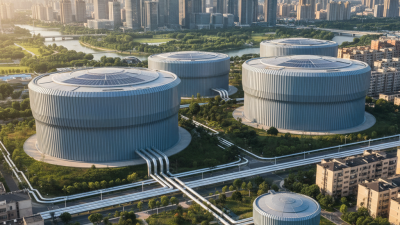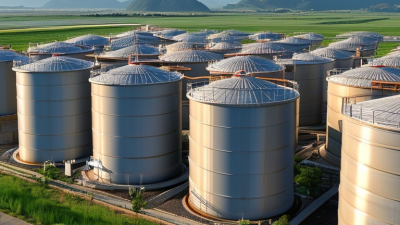
Choosing the best water tanks for global buyers requires more than comparing prices or storage capacity. Buyers must examine material quality, manufacturing experience, climate suitability, and long-term maintenance needs. A tank serving a Kenyan farm faces different conditions from one installed beside a Canadian warehouse.
Dr. Peter Gleick, a leading water expert and co-founder of the Pacific Institute, has said, “Water is a human right.” His statement highlights the responsibility behind every storage decision. Reliable water tanks protect essential supplies from contamination, sunlight, leakage, and avoidable waste. They also support homes, factories, farms, emergency facilities, and remote communities.
This guide will examine major tank materials, including polyethylene, steel, concrete, and fiberglass. It will compare durability, hygiene, installation effort, transport costs, and expected service life. Certifications matter, but they should not replace practical inspection. A product may meet a standard and still perform poorly when poorly installed.
Details often decide the outcome. Check wall thickness, UV resistance, inlet design, overflow control, and cleaning access. Ask how the manufacturer tests seams and fittings. Request clear documentation, not vague promises.
No supplier is perfect. A buyer may still face delays, unclear warranty terms, or limited local support. That is why careful questions matter. The best water tanks balance engineering performance with realistic site conditions. Global buyers should judge the complete supply chain, not only the tank displayed in a catalogue.
China Best Water Tanks for Global Buyers?
A water tank suits global buyers when it performs beyond its factory location. The WHO and UNICEF Joint Monitoring Programme reported that 2.2 billion people lacked safely managed drinking water in 2022. This reality makes hygiene, durability, and easy maintenance essential. A suitable tank should use documented, potable-water-approved materials. Its fittings must resist leakage after repeated filling and emptying. UV protection matters in hot climates, while insulation helps in colder regions. Capacity should match local rainfall, household demand, and delivery limits. Bigger is not always better.
Bigger is not always better.
International buyers should request test reports, material declarations, installation drawings, and traceable quality records. ISO-based quality systems can support consistency, but certificates alone cannot prove field performance. The UN World Water Development Report 2023 notes that global water demand may rise by 20% to 30% by 2050. Tanks therefore need practical repair options, replaceable components, and clear cleaning access. Freight dimensions also matter. A tank that cannot fit through a narrow gate is not a successful export product.
Tips:
Check the tank’s operating temperature range and wall thickness. Ask how samples were tested. Confirm whether local technicians can repair valves and seals. Avoid choosing only by price. I have seen specifications look impressive, yet installation instructions remained unclear. That gap deserves attention. A slightly less complex tank may serve remote buyers better, especially where spare parts and technical support are limited.
China Best Water Tanks for Global Buyers?
Main Types of Water Tanks and Their Common Applications
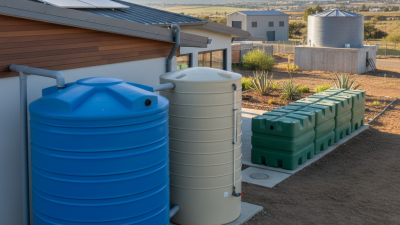
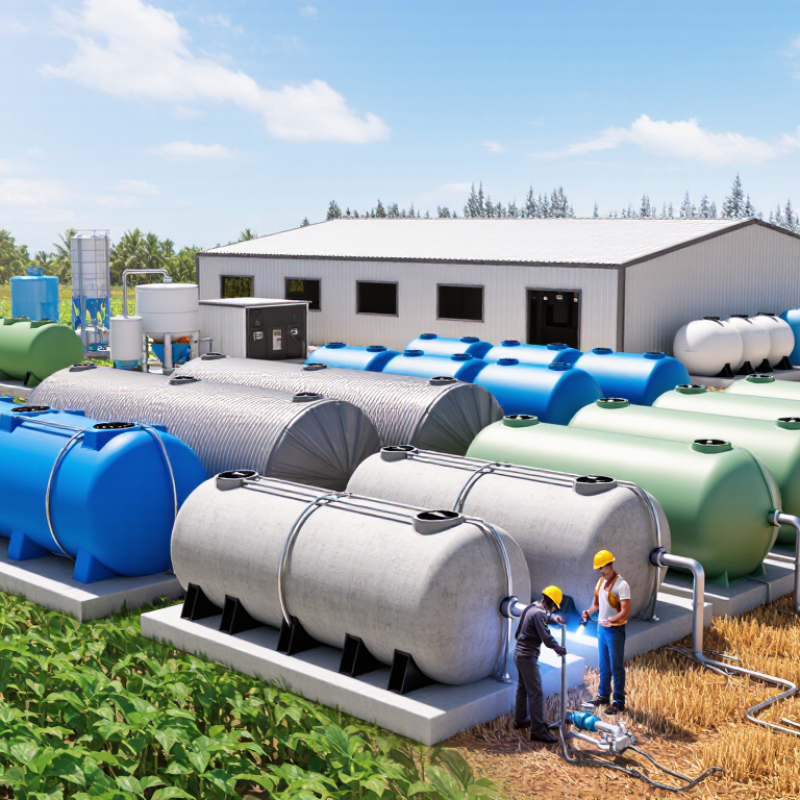
Choosing a water tank starts with the water source, storage volume, and installation site. Common options include polyethylene, fiberglass, stainless steel, concrete, and galvanized steel tanks. Polyethylene tanks are lightweight and resist corrosion. They suit homes, farms, and small commercial buildings. Fiberglass tanks offer strong chemical resistance and stable performance in outdoor settings. They can serve industrial water storage and treatment systems.
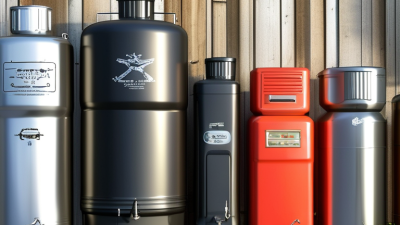
Stainless steel tanks are widely used where hygiene matters. Food processing facilities, hospitals, and drinking water projects often require smooth internal surfaces. Concrete tanks provide large capacities for municipal systems, fire protection, and underground storage. Galvanized steel tanks are practical for agricultural irrigation and rainwater collection. However, coating quality and water chemistry require careful checking.
A tank’s shape also affects its use. Vertical tanks save ground space, while horizontal tanks work well under low-clearance areas. Modular panel tanks can enter narrow buildings through small access points. In real projects, I have seen buyers focus on price and overlook transport, foundation strength, and maintenance access. That mistake becomes expensive later. Check wall thickness, fittings, UV resistance, inspection records, and applicable local standards. Chinese manufacturers may offer different materials and configurations, but technical documents must match the actual product. Ask for test reports, drawings, warranty terms, and installation guidance. Some projects still need better site measurements.
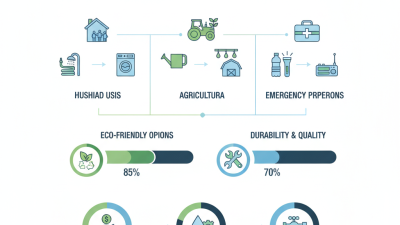
Indicative storage-capacity ranges for widely used water-tank types. Actual capacity depends on engineering design, site conditions, material standards, and local regulations.
China Best Water Tanks for Global Buyers?
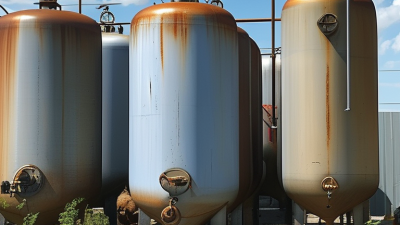
Materials, standards, and performance requirements should guide every water tank purchase. Material choice depends on water quality, climate, installation space, and service life. HDPE tanks resist corrosion and suit many outdoor applications. Stainless steel offers strength and cleanability, but grades must match the water chemistry. FRP tanks are lightweight, although damaged surfaces may need careful repair. Galvanized steel can perform well when its protective coating remains intact.
Standards must be checked against the destination market and the intended water use. For drinking water, request evidence such as NSF/ANSI 61, WRAS, or an equivalent accepted certification. Do not assume CE marking proves potable-water safety. Ask for material certificates, welding records, coating details, and independent test reports. Leak testing, dimensional checks, UV resistance, and pressure limits should appear in the technical file. Wind, snow, seismic movement, and foundation loads also matter. A tank may pass a factory test yet fail after poor installation. That part is often underestimated.
Tips: Confirm the water temperature, chemical exposure, and installation site before comparing prices. Inspect a production sample when possible. Check nozzle positions, manholes, ladders, seals, and spare parts. A glossy finish can mislead. Traceability matters more. Some specifications remain unclear, and that is a reason to ask better questions rather than accept convenient assumptions.
China Best Water Tanks for Global Buyers?
Evaluating a Chinese water tank manufacturer starts with evidence, not attractive catalog images. The WHO and UNICEF Joint Monitoring Programme reported that 2.2 billion people lacked safely managed drinking water in 2022. That figure makes material safety and manufacturing discipline essential. Ask for resin, steel, coating, and gasket certificates. Check whether documents identify batch numbers and testing laboratories. Vague paperwork is a warning sign.
Inspect the production site, even through a live video audit. Look for clean mold surfaces, controlled welding areas, calibrated torque tools, and tanks stored away from direct sunlight. Request hydrostatic test records, dimensional reports, and wall-thickness measurements from several points. A serious supplier should explain its inspection process against relevant ISO, EN, ASTM, or local requirements. The OECD projects global water demand could rise by 55% by 2050. Long service life matters more than a low purchase price.
Do not judge quality from one sample. I would compare three production batches and examine fittings, access covers, ladders, and overflow outlets. Ask how the manufacturer handles replacement parts and damaged shipments. A factory may pass an audit yet fail to control subcontracted components. That uncomfortable gap deserves attention. I would also require a written warranty with clear exclusions, because “quality guaranteed” is not a measurable term. Keep communication records, drawings, and approved samples before payment.
China-made water tanks can serve global projects, but export success depends on more than factory price. The WHO/UNICEF Joint Monitoring Programme reported that 2.2 billion people lacked safely managed drinking water in 2022. This gap creates demand, yet each destination has different rules for potable-water materials, labeling, and import documents. Buyers should request material certificates, batch traceability, weld or laminate records, and factory pressure-test results. Confirm Incoterms, unloading equipment, spare parts, and insurance before shipment. A low-cost tank can become expensive after port storage or damaged delivery.
Installation needs local engineering judgment. Check the foundation level, anchor layout, wind exposure, seismic risk, and pipe flexibility. Large tanks often arrive in sections. Tight access roads may change the installation method.
The 2024 UN World Water Development Report states that agriculture accounts for about 70% of global freshwater withdrawals, so irrigation tanks need careful sizing and cleaning plans. For drinking water, use approved internal coatings and avoid unverified sealants. Local water authorities should review the design. This step is often missed.
Tips: Keep a site checklist with photographs. Leave inspection access around valves and manholes. Schedule leak testing before backfilling. During maintenance, inspect corrosion, UV damage, bolts, gaskets, and sediment at least annually. Water quality testing should follow local public-health requirements. One practical warning: manuals may assume warmer climates and easy crane access. They do not always fit real sites. Engineers should adapt the plan, document changes, and accept that the first design may need revision.