Why Is Proper Fuel Storage Important for Global Buyers?
Fuel storage is not merely a warehouse function. It protects product quality, shipment value, and operational continuity across borders. The International Energy Agency’s Oil 2024 report expects global oil demand to approach 105 million barrels per day by 2029. That scale makes storage discipline commercially significant. A contaminated or poorly maintained tank can delay deliveries, damage equipment, and create expensive disputes between buyers and suppliers.
Small details matter. Water can collect beneath diesel after temperature changes. Sediment can block filters and injectors. Heat can increase vapor pressure and accelerate product degradation. The U.S. Environmental Protection Agency’s AP-42, Chapter 7, explains how petroleum storage tanks can release vapors during filling, breathing, and handling. Buyers should therefore review tank design, inspection records, ventilation controls, and measurement procedures before accepting cargo. The American Petroleum Institute’s API 653 standard also provides widely recognized guidance for aboveground tank inspection and maintenance.
Storage needs evidence.
Reliable buyers need batch certificates, sampling records, temperature readings, and clear chain-of-custody documents. They should confirm that tanks are compatible with the stored fuel and protected against water intrusion. The U.S. Energy Information Administration’s Weekly Petroleum Status Report shows how closely markets monitor inventory levels. Yet inventory volume alone cannot prove fuel quality. That is an easy mistake.
No checklist replaces practical judgment. I have seen storage plans appear complete until a missing drain inspection revealed hidden water. Regular testing, documented maintenance, and trained personnel reduce that uncertainty. Proper fuel storage gives global buyers more than safety. It provides confidence that every delivered litre remains usable, traceable, and commercially dependable.
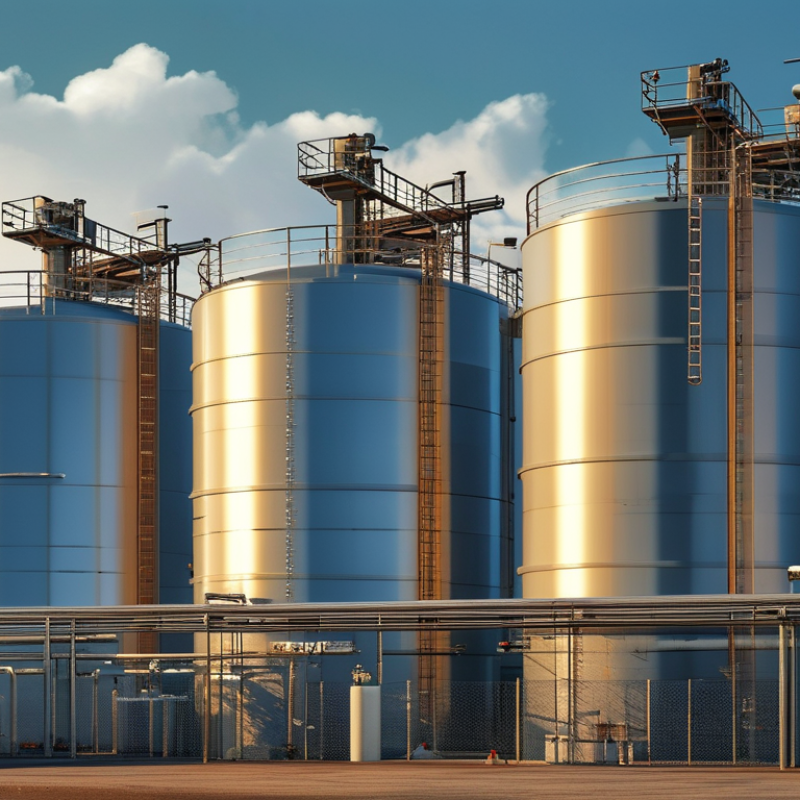
Proper fuel storage means more than placing drums in a covered warehouse. It means selecting compatible containers, sealing them correctly, and preventing water, dust, and heat from entering. Ventilation matters. So does stable temperature. Excessive heat can increase pressure, while condensation may introduce moisture and accelerate corrosion.
For global buyers, storage quality protects product performance, worker safety, and purchasing value. A responsible facility keeps containers upright, labels contents clearly, and separates fuel from ignition sources.
It also uses spill-control equipment and checks seals, vents, and tank walls regularly. Stock rotation is essential. Older fuel should not quietly remain forgotten. Inspection records, delivery dates, and batch details help buyers trace problems before they become costly disputes.
Requirements vary by fuel type, climate, and destination. Buyers should request storage procedures, inspection evidence, and transport conditions before accepting a shipment. That paperwork is useful, but it is not proof by itself. A clean document cannot reveal a hidden leak or damp storage floor. Physical checks still matter. No procedure is perfect. Teams should review near misses, question unusual odors or discoloration, and improve controls without blaming individuals. Small oversights can affect an entire supply chain.
Fuel can leave a certified facility in excellent condition, then deteriorate during storage. Temperature swings, moisture, and dirty containers can change its performance before shipment. Heat changes everything. When warm air enters a partly filled tank, cooling can create condensation on internal walls. That water may encourage corrosion, microbial growth, and filter blockage. Sediment can later reach pumps or injectors, causing rough starts and unstable output. Small errors matter.
Practical inspections should examine tank seals, vents, drainage points, and surrounding cleanliness. Storage areas need shade, controlled temperature where possible, and protection from rain. Fuel should remain in suitable, clearly identified containers, with regular checks for water and sediment. Samples can reveal darkening, unusual odor, cloudiness, or separated layers. These signs deserve laboratory testing before the fuel enters equipment. Do not trust appearance alone. A clear sample can still contain dissolved water or degraded compounds. Written records also matter. Dates, temperatures, tank movements, and test results help buyers trace quality changes.
From field reviews, I have seen teams focus on purchase specifications while overlooking the warehouse roof. That mistake is understandable, but expensive. Storage conditions should be checked throughout transit, customs delays, and final delivery. Older fuel is not automatically unusable, yet its age requires evidence, not assumptions. Some inspection routines are too optimistic. A realistic plan includes buffer time, clean transfer equipment, and re-testing after long delays. Performance depends on what happens between the supplier’s tank and the buyer’s engine.
How Storage Conditions Affect Fuel Quality and Performance
The chart shows selected EN 590 diesel fuel quality limits expressed in milligrams per kilogram. Poorly sealed tanks, condensation, dust and unsuitable storage conditions can increase water and contamination levels, potentially reducing combustion efficiency, fuel-system reliability and engine performance. Properly maintained storage helps keep fuel within these quality limits.
Why Is Proper Fuel Storage Important for Global Buyers?
The Main Risks of Improper Fuel Storage
Improper fuel storage can turn a routine purchase into a serious operational problem. Heat, sunlight, moisture, and poor ventilation may damage fuel before use. In a closed tank, vapor can accumulate and create a dangerous ignition risk. Small leaks may spread unnoticed across concrete floors, soil, or drainage channels.
Water contamination is another common threat. Condensation inside partly filled tanks can encourage corrosion and microbial growth. The fuel may then develop sediment, blocked filters, and unstable performance. A cloudy sample or unusual odor should not be ignored. These signs often appear before equipment failure, but busy teams may overlook them.
Static electricity, weak grounding, and unsuitable containers can increase fire risks during transfer. Storage areas also need clear labels, compatible materials, spill controls, and regular inspections. Buyers should request storage procedures, safety data, and evidence of quality checks from suppliers and local operators. Requirements differ across countries, so site managers must verify applicable safety rules before receiving fuel.
A clean tank can still hide corrosion underneath. That assumption deserves correction. Temperature records, inspection logs, and sampling provide stronger evidence than appearance alone. Even experienced teams miss small warning signs when delivery schedules become urgent. Careful storage protects fuel quality, worker safety, equipment reliability, and the buyer’s wider supply chain.
Safe and Reliable Fuel Storage for Global Buyers
Proper fuel storage protects product quality, workers, equipment, and supply continuity. The International Energy Agency requires member countries to maintain emergency stocks equal to at least 90 days of net imports. That benchmark shows storage is not merely a warehouse function. It is part of national and commercial resilience.
Essential requirements begin with a suitable tank, compatible materials, and controlled temperature. Tanks need stable foundations, clear labeling, secure valves, and secondary containment. The U.S. Environmental Protection Agency’s SPCC rule generally covers facilities storing more than 1,320 gallons of oil above ground. Requirements vary by country, so buyers should verify local rules before installation. Overfill protection matters. NFPA 30 and petroleum tank standards emphasize safe separation, grounding, bonding, and ignition control. Small gaps can create serious consequences.
Inspection must be practical and documented. Check for corrosion, leaks, damaged hoses, blocked vents, and water inside tanks. Keep emergency equipment accessible. Staff need clear procedures for receiving, transferring, and isolating fuel. API Standard 2350 highlights overfill prevention through alarms, independent safeguards, and operating controls. Technology helps, but it does not replace trained judgment. A checklist can appear complete while missing a cracked drain valve. That is worth questioning. Reliable storage depends on design, maintenance, records, and disciplined daily habits.
Why Is Proper Fuel Storage Important for Global Buyers?
How Global Buyers Can Evaluate Fuel Storage Standards
Global buyers should examine storage evidence before comparing fuel prices. The Energy Institute’s Statistical Review 2024 recorded global oil consumption at 101.9 million barrels per day in 2023. That scale makes small storage failures commercially significant. Leaking tanks, water contamination, and poor turnover can reduce usable fuel without obvious warning.
Ask for tank construction records, inspection dates, product specifications, and maintenance logs. API 650 provides widely used requirements for welded petroleum storage tanks, while API 653 covers in-service tank inspection. Buyers should also verify secondary containment, overfill protection, grounding, fire controls, and sampling procedures. A strong facility can explain each control with photographs, certificates, and recent test results.
Check the numbers independently.
The International Energy Agency’s Oil 2024 report projected global oil demand would reach 104.3 million barrels per day in 2024. Higher flows increase pressure on terminals, pipelines, and stock records. Compare reported inventory with tank gauges, loading documents, and independent inspection results. Do not rely on one certificate. It may be current but incomplete. I would also question storage sites that cannot show calibration histories or explain temperature corrections. Standards differ across jurisdictions, so buyers should map the facility’s controls against applicable national requirements, contractual specifications, and recognized technical standards. A checklist helps, but it cannot replace a site visit and an experienced inspector.
| Evaluation Dimension | Why It Matters | Practical Benchmark or Requirement | Questions for Global Buyers | Potential Risk if Neglected |
|---|---|---|---|---|
| Tank Material and Compatibility | Fuel can react with unsuitable materials, causing corrosion, leakage, contamination, or seal failure. | The tank, gaskets, hoses, coatings, and fittings should be documented as compatible with the exact fuel grade, including fuel containing ethanol or biodiesel. | Is a compatibility statement available for the specific fuel? Are elastomers and internal coatings identified? | Premature corrosion, fuel degradation, leakage, and equipment damage. |
| Tank Design and Construction | Correct design reduces structural failure and supports safe storage throughout the tank’s service life. | For large aboveground welded tanks, buyers commonly verify design and construction against applicable requirements such as API 650 or the relevant national standard. Smaller shop-built tanks may require standards such as UL 142 or an equivalent local standard. | Which design code applies? Are drawings, welding records, material certificates, and inspection reports available? | Tank deformation, cracking, collapse, or inability to obtain local approval. |
| Secondary Containment | A bund, dike, or double-wall arrangement limits the spread of spilled fuel and protects soil and water. | Containment capacity should comply with the destination country’s fire and environmental rules. A commonly used planning value is at least 110% of the largest tank’s capacity, but local requirements must be confirmed. | What is the legally required capacity? Is the containment area liquid-tight and protected from uncontrolled drainage? | Environmental contamination, regulatory penalties, and costly emergency cleanup. |
| Leak Detection and Monitoring | Early detection helps prevent a small leak from becoming a major safety or environmental incident. | Use routine visual inspections, inventory reconciliation, level monitoring, and leak-detection systems appropriate to the tank type and local rules. | Are alarms tested? How frequently are inspection and reconciliation records reviewed? | Undetected product loss, fire exposure, soil pollution, and inaccurate inventory. |
| Ventilation and Pressure Control | Fuel vapors expand and contract with temperature changes; blocked or unsuitable vents can create dangerous pressure or vacuum conditions. | Venting should be sized and configured for normal breathing, filling, emptying, and emergency conditions in accordance with the applicable tank and fire-safety standard. | Are vents protected from blockage, ignition sources, rain, and insects? Are pressure-vacuum settings documented? | Tank rupture, implosion, vapor release, or accelerated fuel oxidation. |
| Fire Prevention and Protection | Most conventional liquid fuels produce flammable vapors; ignition control is essential during storage and transfer. | Provide bonding and grounding, suitable electrical equipment, no-smoking controls, emergency shutoff, fire extinguishers, and separation distances required by local fire codes. | Is a hazardous-area assessment available? Are grounding continuity and emergency procedures tested? | Flash fire, explosion, personnel injury, facility shutdown, or cargo loss. |
| Temperature and Weather Protection | Heat, sunlight, freezing conditions, and water ingress can affect fuel quality, tank pressure, and structural integrity. | Use suitable insulation, shade, heating or heat tracing where required, corrosion protection, and weatherproof seals based on the destination climate. | What are the minimum and maximum design temperatures? Is the tank protected from flooding and standing water? | Fuel evaporation, waxing or freezing, water contamination, corrosion, and pressure fluctuations. |
| Water and Sediment Management | Water and sediment can promote microbial growth, corrosion, filter blockage, and fuel-system failure. | Use clean, closed filling systems; inspect low points; drain accumulated water; and test fuel quality at a documented frequency based on storage duration and fuel type. | Are sampling points available? Are water-bottom checks, filtration, and tank cleaning recorded? | Microbial contamination, clogged filters, injector or pump damage, and off-specification fuel. |
| Fuel Rotation and Maximum Storage Time | Fuel quality can decline during long storage because of oxidation, sediment formation, water accumulation, and microbial activity. | Apply first-in, first-out inventory control and define inspection or testing intervals based on fuel specification, climate, additives, and operating conditions; there is no single universal storage-life limit for every fuel. | What is the planned residence time? Is re-testing required before dispatch or use? | Out-of-specification fuel, rejected deliveries, equipment malfunction, and disposal costs. |
| Inspection and Maintenance Program | Planned maintenance identifies corrosion, damaged fittings, blocked vents, and weakened foundations before failure occurs. | Maintain written inspection schedules, repair procedures, corrosion assessments, calibration records, and periodic tank integrity examinations in line with applicable regulations and standards. | Who performs inspections? Are findings closed out and supported by dated evidence? | Unexpected leakage, unplanned downtime, accelerated deterioration, and invalid warranty or insurance claims. |
| Documentation and Regulatory Compliance | Clear documentation allows buyers to verify traceability, legal compliance, product quality, and safe operation across borders. | Request the applicable certificates, tank drawings, material records, pressure or leak-test results where relevant, inspection logs, fuel-quality test reports, safety data sheets, and operating procedures. | Do the documents match the tank serial information, fuel grade, destination-country rules, and shipment requirements? | Customs delays, rejected installations, legal exposure, failed audits, and disputes over responsibility. |
Note: Storage requirements vary by fuel type, tank capacity, installation location, climate, and jurisdiction. Buyers should confirm the final design with the applicable local fire, environmental, building, and dangerous-goods authorities.