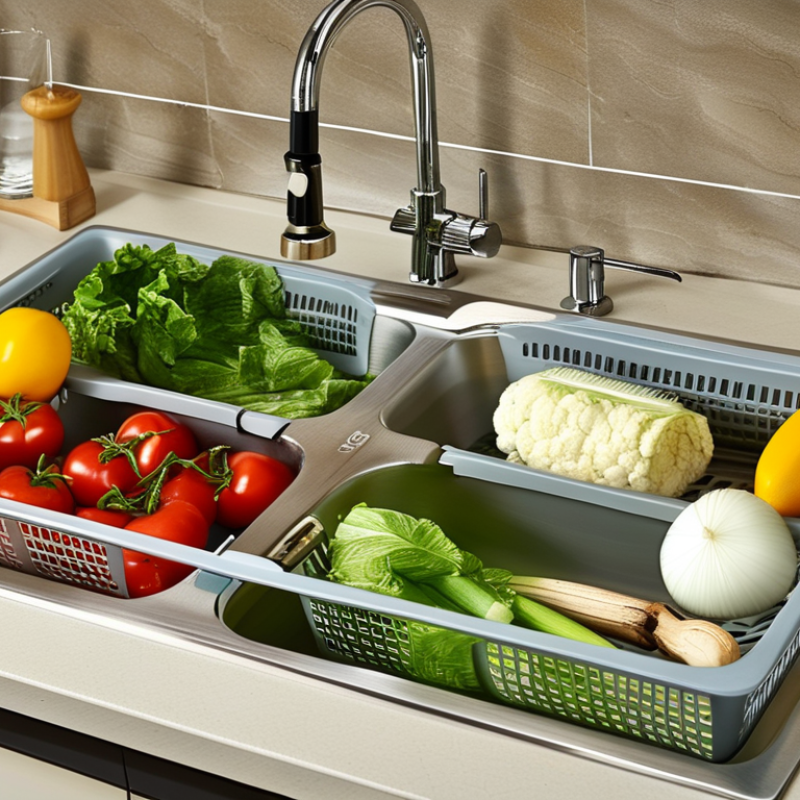
Top 10 Sink Colander Tips You Need to Know for Your Kitchen?
In every kitchen, a Sink Colander plays a vital role. This simple tool helps drain water from pasta and rinse vegetables. However, many people overlook its full potential. Do you know the best ways to use a sink colander? Understanding its functions can enhance your cooking experience.
A sink colander is more than just a drain. It can be a space-saver in a busy kitchen. Consider placing it over the sink for easy access. This piece of equipment can also prevent messes when washing fruits. Enhance your culinary skills by mastering the use of a sink colander.
Many of us may not utilize this tool effectively. Reflect on your own practices. Are you making the most of your sink colander? With the right tips, you can improve efficiency and hygiene in your kitchen. Embrace the potential of this often-underestimated kitchen essential.
Essential Features to Look for in a Sink Colander
When choosing a sink colander, consider material quality. Stainless steel is durable and resistant to rust, making it ideal for kitchen use. It can withstand heavy use and the moisture of daily cleaning. Plastic options are lighter and often more affordable but may not last as long. Look for BPA-free products to ensure safety while preparing food.
Drainage efficiency is another critical feature. A good colander should have properly sized holes to allow water to drain quickly. If the holes are too large, small food items may slip through. Size also matters; it should fit your sink comfortably. A colander that’s too large may be hard to handle, while one that's too small may not be useful for larger tasks.
Ergonomic design improves usability. Handles should be sturdy and provide a good grip, particularly when full of food. Some colanders come with non-slip bases to prevent spills. However, not every design suits everyone. Take note: what feels comfortable to one person may not feel the same to another. Determine what works best for your unique setup and needs.
Best Practices for Cleaning and Maintaining Your Sink Colander
Cleaning and maintaining your sink colander is essential for a hygienic kitchen. Regular upkeep prevents the buildup of bacteria and unpleasant odors. Research indicates that nearly 70% of kitchen sponges and tools harbor harmful bacteria. This stresses the importance of keeping your colander in top condition.
One effective tip is to rinse your colander thoroughly after each use. Debris buildup can occur quickly, especially with food residues. A simple rinse can mitigate larger cleaning tasks later. For a deeper clean, soak your colander in warm water mixed with a mild dish soap. This can help dislodge stubborn particles. Some experts recommend using a soft-bristle brush to scrub around the edges and holes.
Consider using vinegar and baking soda for a natural cleaning solution. This mixture is effective against stubborn stains and odors. Additionally, allow your colander to air dry completely. This helps prevent mold growth. Remember, your colander plays an important role in food safety. Ensuring it is clean supports a healthier kitchen environment and enhances your cooking experience.
Creative Ways to Use Sink Colanders Beyond Draining
Using sink colanders creatively can enhance your kitchen experience. Beyond their primary function of draining pasta or washing vegetables, they serve multiple purposes. For instance, consider using a colander as a fruit or vegetable storage container. It allows for good airflow, keeping produce fresher for longer.
You might also repurpose a colander as a unique centerpiece for holiday gatherings. Fill it with seasonal fruits or decorative items. The aesthetic appeal can elevate your dining experience. Another idea is to place it in the sink for easy rinsing when prepping meals. It simplifies the process and minimizes mess.
When using colanders for these purposes, remember to clean them thoroughly. Plastic colanders can retain odors, while metal ones can rust. So, cleanliness is essential for safe food preparation. A little thought goes into these creative uses, making your kitchen both functional and inviting.
How to Choose the Right Size and Style for Your Kitchen Sink
Choosing the right size and style for your kitchen sink colander can significantly enhance your kitchen experience. When selecting a colander, consider the dimensions of your sink. A snug fit ensures that water drains effectively without spilling over the edges. Measure your sink's interior to help you choose a colander that’s neither too big nor too small. For double sinks, a smaller, adjustable colander might provide versatility.
Beyond size, style matters too. The material affects durability and overall kitchen aesthetics. Stainless steel is a popular choice due to its resistance to rust and easy cleaning. However, plastic colanders are lightweight and often available in various colors. They may not be as durable, but they can add a pop of color. Think about how these choices reflect your culinary personality.
Often, it helps to think about how you use your colander. Will it serve mainly for rinsing vegetables or draining pasta? A colander with a specific design might work better for certain tasks. Sometimes, the available options can be overwhelming. Taking time to reflect on your needs can lead to better decisions. Remember that practical doesn't have to mean plain; there are many stylish options available that can elevate your kitchen décor.
Top 10 Sink Colander Tips You Need to Know for Your Kitchen
Tips for Organizing Your Kitchen with Sink Colanders
Organizing your kitchen can be a challenge, especially with the multitude of tools and accessories. Sink colanders are often overlooked but can play a vital role in maximizing space. Try placing your colander inside a drawer or cupboard when not in use. This helps keep your countertop clutter-free.
Another approach is to utilize a hanging rack for your colanders. This method not only saves space but allows for easy access. You can also color-coordinate them to create a visually appealing display. Don't forget that colanders can drain away space too. Store smaller items inside larger colanders to optimize every inch of storage.
Many forget to wash colanders after use, leaving unpleasant odors behind. Make it a habit to rinse them immediately. Consider designating a specific area for all your colanders. Whether it is on a shelf or in a basket, having a set spot encourages organization. Be aware that colanders can become a collection point for dust if left unattended. Regular cleanings are essential to maintain hygiene.